 Sandy UT Plumbing Experts
4,449 ftCity-center datum
Sandy bench, Salt Lake County
Emergency plumber in Sandy, UT, built for ground that climbs a thousand feet
Sandy rises from the Jordan River flats to the mouth of Little Cottonwood Canyon, and the water system climbs with it. We run 24/7 emergency dispatch for active leaks, burst pipes, and sewage backups, and we put a gauge on the hose bib before we touch a fixture on every other call.
Where a house sits on that climb decides whether static pressure at the bib is comfortable, hard on every fitting in the building, or too soft to run two showers at once. Sandy's water tests hard (9.1 grains per gallon), so scale on cartridges, heater elements, and fill valves is a real, ongoing condition here, not a sales pitch.
4,520 ftSection 02, services
What the work actually is
Leak work, drains, and pipe repair fill most of the week here. Pressure and scale are what make them happen, and winter is what turns ordinary wear into an emergency call.
Emergency plumbing
Active floods, major pipe bursts, and sewage backups get dispatched first, day or night. If the main shutoff isn't obvious, we walk you through finding it on the phone before anyone drives out.
Water leak detection
Meter test with the house closed, then acoustic and infrared scanning to pinpoint a concealed leak before any wall or slab gets opened. On the bench the usual find is a pinhole in copper on a line that has been sitting at pressure it was never meant to hold.
Whole-house repiping
Full replacement of failing copper or galvanized supply lines with PEX, usually the right call once a house is patching the same runs every winter. It is the highest-ticket job we do, and also the one that ends the repeat calls.
Drain cleaning & clog removal
Cable for soft blockage and root intrusion, hydro jetting where the wall of the pipe has scaled over. Camera run afterward so the state of the line is something you look at, not something we tell you.
Water heater repair
Elements, thermostats, gas valves, anode rods. With water this hard, the rod and the sediment at the base of the tank are the first two things we check, not the last.
Slab leak detection & repair
Warm spots on the floor, a water bill that jumped with no new fixture, or the sound of running water when every tap is off. Acoustic and thermal detection first, then a direct slab repair or an overhead PEX reroute.
Burst & broken pipe repair
Split hose bibs, a line run through an unheated garage, and the exposed section nobody thought about until a hard freeze. Emergency shutoff, the repair itself, and frost protection so it does not repeat next winter.
Gas line repair & leak detection
Pressure testing, emergency leak repairs, and appliance hookups for ranges, dryers, and water heaters. A suspected gas leak gets the same priority as an active flood.
Water softener installation & repair
Loop and bypass plumbing for a softener, plus descaling the fixtures that have already suffered. We will tell you which of your symptoms a softener would actually have prevented and which it will not touch.
Toilet repair & installation
Flappers, fill valves, wax rings, and installing high-efficiency toilets. A toilet that runs on its own is almost always a flapper or fill-valve problem, not a sign of anything bigger.
4,760 ftSection 03, pressure
What the bench does to your water pressure
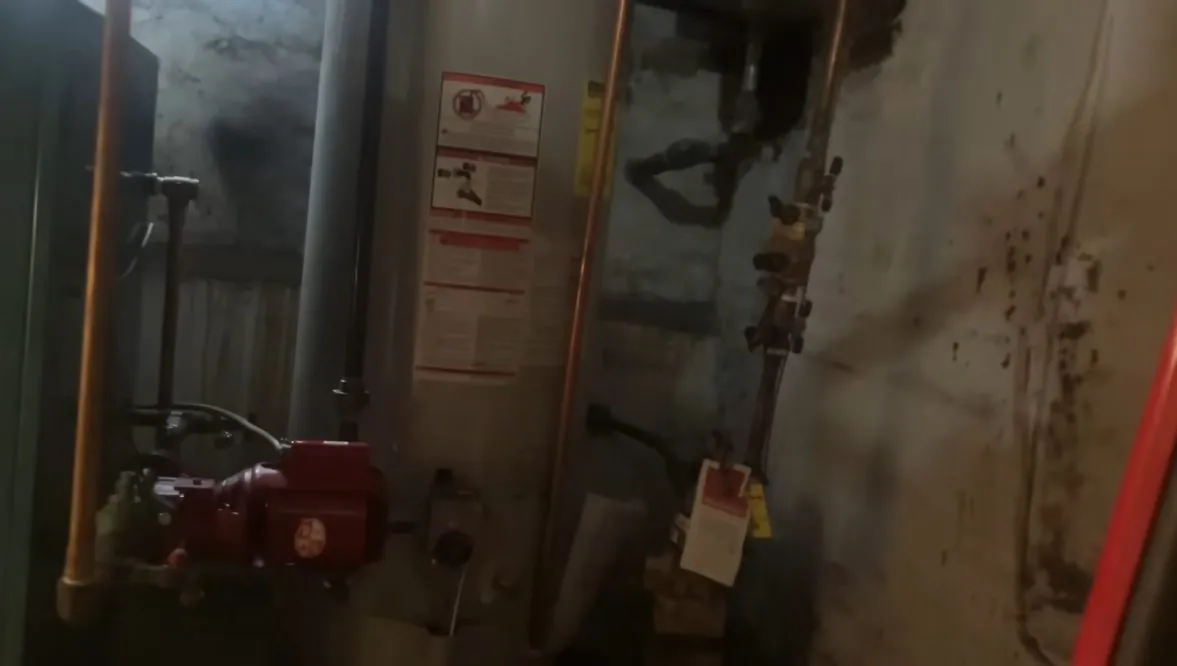
A hillside city cannot be served at one pressure, so a system like Sandy's is typically divided into zones, each fed from a tank above it. The illustration below is a model of how that kind of system behaves as you move up a slope, not a map of Sandy's actual zone boundaries or published pressure figures.
Pressure too high, too low, or just inconsistent room to room?
Call (385) 555-0103Down here you sit the full height of the zone below its tank, and the static pressure arrives well past what plumbing code allows into a house. A pressure reducing valve at the service entry is not optional at this end of a zone, and when a house starts losing cartridges, flappers, and heater life all at once, a failed reducing valve is worth checking first.
4,980 ftSection 04, ground
Four things about this ground
Sandy climbs from the Jordan River valley floor at the western edge of the city up toward the mouth of Little Cottonwood Canyon in the east. A water system serving that much vertical drop is normally split into zones, each fed from its own tank, which is why pressure and fixture wear can genuinely differ between houses just a few streets apart.
Sandy's water tests at 9.1 grains per gallon, hard but not the valley's worst case (parts of Salt Lake City and Taylorsville test harder). It is still enough to crust aerators, seize cartridges in place, and shorten the life of elements sitting in the sediment at the base of a water heater tank.
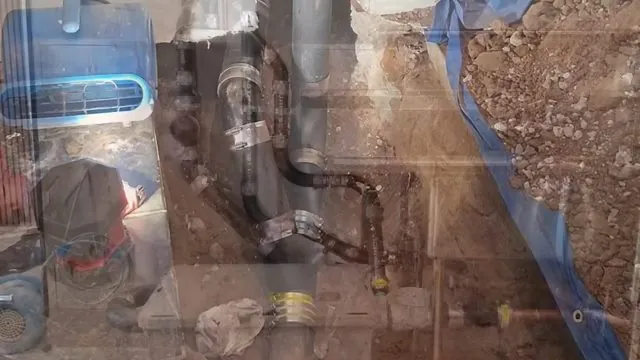
Sandy's original townsite was platted on an alluvial terrace along the Jordan River drainage, built up over time by material washed down from the canyons. A trench here commonly runs into rounded cobble and gravel rather than clean soil, which makes excavation slower and makes proper bedding and backfill matter more than it would on a clay lot.
Sandy's historic core around Main and Center Streets dates to its 1870s founding as a silver-smelting and railroad town. Everything else is newer: the city's population jumped from 6,438 in 1970 to 52,210 by 1980 as pocket subdivisions were built out through the 1970s and 80s. Supply lines and drains age differently between the two, so the first question on the phone is usually what decade the house went up.
5,120 ftSection 05, coverage
Where we work
We dispatch across Sandy's own ZIP codes. We're adding pages for specific nearby towns as we confirm real coverage there; until a town has its own page, treat it as not yet confirmed rather than assuming we reach it.
Good to know: these are Sandy's own covered ZIP codes. See our service area page for which specific neighborhoods and nearby towns have a confirmed, dispatchable page.
5,260 ftSection 06, questions
Questions we get from the bench
What should I do immediately during a plumbing emergency in Sandy?
First, locate and turn off your home's main water shutoff valve, typically near the water meter or where the main line enters the house. Then open a low-point faucet to relieve pressure and call a local 24/7 emergency plumber.
How do I keep my pipes from freezing during a Sandy cold snap?
Insulate exterior hose bibs, keep garage doors closed on lines that run through an unheated garage, and let interior faucets trickle on nights near or below freezing. If a pipe does freeze, shut off the main water valve immediately before attempting to thaw it.
What are the signs of a hidden slab leak in a Sandy home?
Key indicators include an unexplained jump in your water bill, warm spots on tile or flooring, the sound of running water when every tap is off, and hairline cracks in baseboards or the foundation slab. Acoustic leak detection is the reliable way to pinpoint the exact pipe location before any concrete is opened.
How long do water heaters typically last in Sandy, UT?
Standard tank water heaters generally last 8 to 12 years here, while well-maintained tankless units can run 18 to 25 years with annual descaling. A tank making rumbling noises or producing rusty hot water is usually past the point of a repair being worth it.
What does this cost?
Parts we recognize get a wide range on the phone. A fill valve, a frost-proof bib, or a water heater element are jobs we have priced many times over. Anything nobody has seen yet, including a leak behind drywall or a pressure complaint we have not gauged, gets no figure until someone is standing in front of it. See our cost page for the ranges we can share up front.