 Sandy UT Plumbing Experts
Home / Services / Tankless Water Heaters
Gas tankless & point-of-use units
Tankless Water Heater Services in Sandy, UT
Endless hot water with no storage tank to run out, install, repair, and the annual descaling that hard water makes non-negotiable.
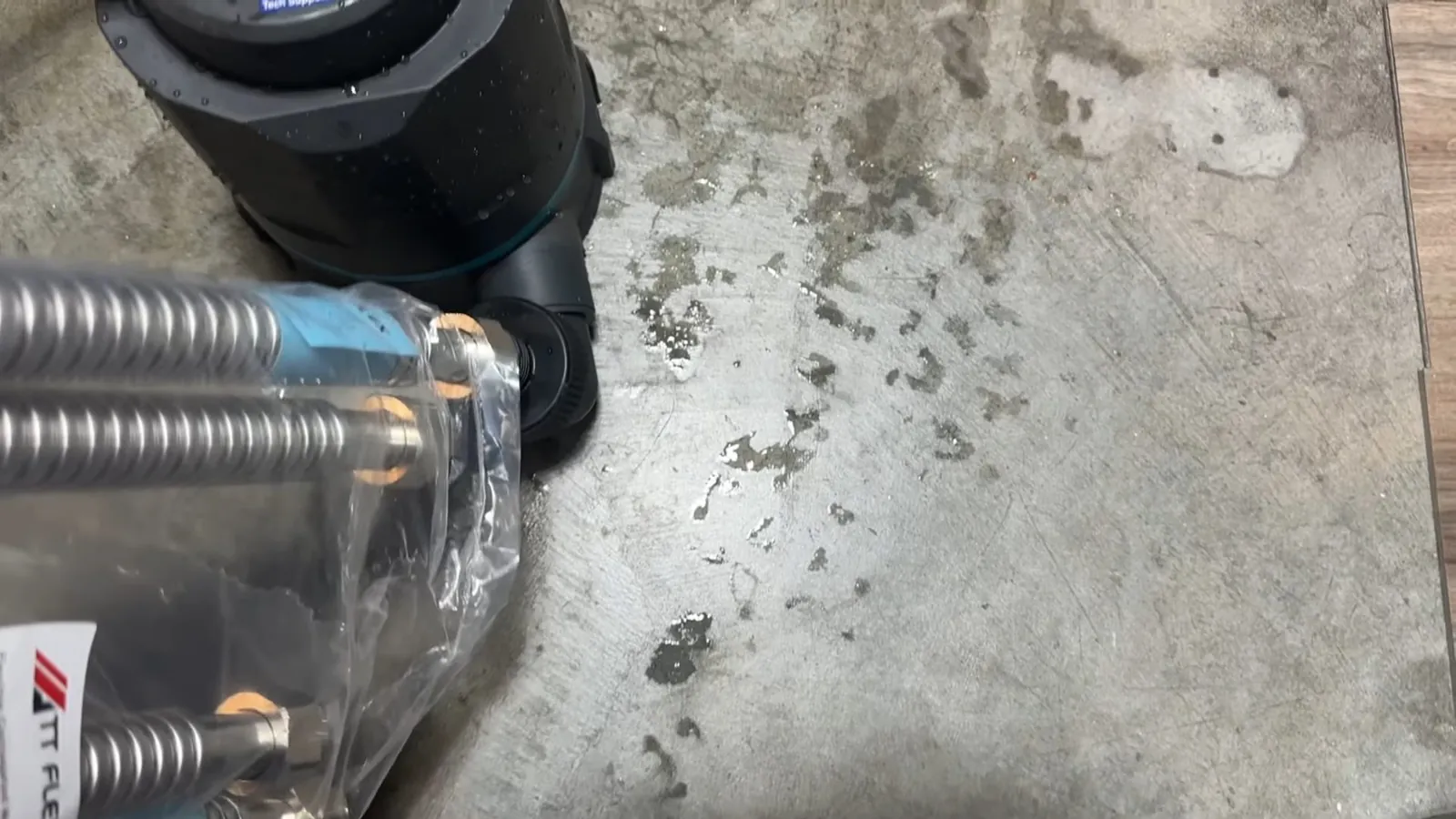
Why homeowners switch to tankless
- Hot water on demand, with no 40 to 50 gallon tank sitting idle and losing heat between uses.
- A smaller physical footprint, which frees up floor space in a utility closet or garage.
- Longer typical lifespan than a tank unit when the required maintenance is actually kept up.
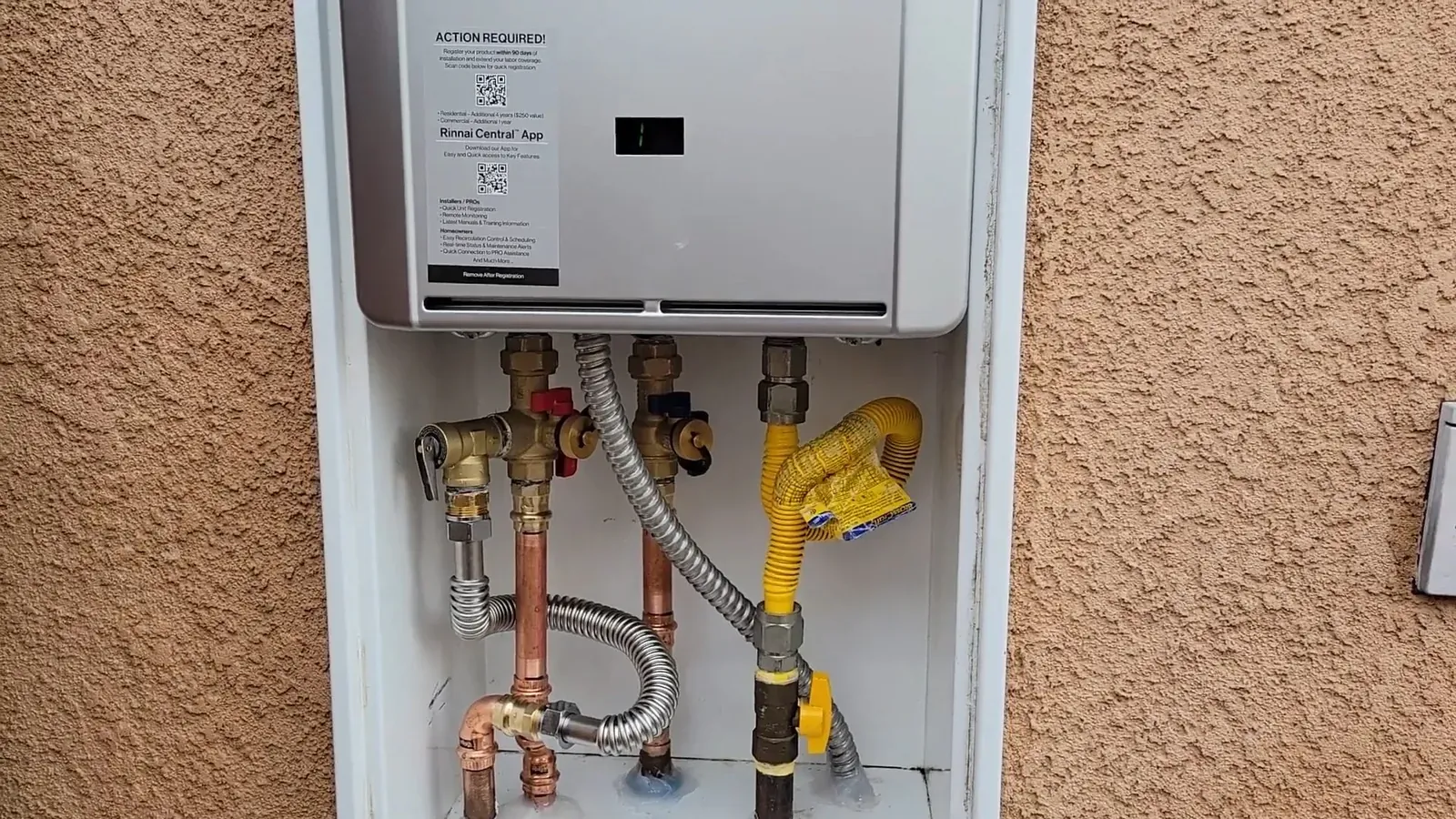
Gas tankless installation
A whole-home gas tankless unit needs a properly sized gas line and dedicated venting, which is why it's usually not a straight swap into a tank unit's old spot without some additional work. We size the unit to your actual peak demand (how many fixtures could run hot water at once) rather than the smallest unit that technically fits the budget.
Point-of-use & undersink units
A small electric unit installed directly under a sink or fixture that's far from the main water heater eliminates the wait for hot water to travel that distance. These are a targeted fix for one problem fixture, not a replacement for a whole-home system.
Tired of running out of hot water, or want it on demand?
Call (385) 555-0103
Annual descaling, and why it isn't optional here
Sandy's water tests at 9.1 grains per gallon, hard enough that mineral scale builds up inside a tankless unit's heat exchanger faster than it would on soft water. Skipping the annual descaling flush is the single most common reason a tankless unit underperforms or fails early — it's a maintenance item, not a repair, and it's far cheaper than the heat exchanger replacement that follows if it's skipped for years.
Repairing an existing tankless unit
- Error codes: most modern units display a code that points directly to the fault, which we diagnose rather than guess at.
- Inconsistent temperature: often a scale buildup issue, sometimes a flow sensor.
- No hot water at all: can be an ignition fault, a gas supply issue, or a tripped safety shutoff.
How installation day works
- 1. Confirm fit: gas line capacity, venting path, and your household's peak hot-water demand.
- 2. Install & vent: unit mounted, vented, and connected to the gas and water lines.
- 3. Permit & inspection: scheduled as part of the project.
- 4. Walkthrough: temperature settings and descaling schedule explained before we leave.
What affects the cost
- Whole-home vs. point-of-use: a full gas tankless system costs more than a single undersink unit.
- Gas line upsizing: an undersized existing line needs upgrading for a tankless unit's higher demand.
- Venting changes: converting from a tank unit's venting to tankless-rated venting adds labor.
See our cost page for wide price ranges.
Tankless vs. tank: which fits your home
A larger household with multiple bathrooms running hot water simultaneously benefits most from a correctly sized whole-home tankless unit. A smaller household with modest hot water needs may not see enough benefit to justify the higher upfront cost over a standard tank — we'll give you an honest read on which fits rather than push the higher-ticket option by default.
Retrofitting an existing home
Converting a home that's always had a tank unit to tankless is more involved than a straight tank-to-tank swap, since the venting type, gas line sizing, and sometimes the electrical connection all need to match the new unit's requirements. We scope that conversion work up front rather than discover it mid-install.
Running multiple fixtures at once
A correctly sized whole-home unit can supply a shower and a dishwasher running at the same time without a temperature drop, but an undersized unit will struggle the moment a second fixture draws hot water. This is the most common complaint we hear about tankless systems installed by someone who sized to the budget rather than the household's real peak demand.
The cold water sandwich effect
Some tankless units briefly deliver a pocket of cold water between uses, right after the heater first fires up, before the hot water reaches the fixture. It's a known quirk of the technology rather than a defect, and certain models and installation setups minimize it more than others — worth asking about if it's happened with a unit you've had installed elsewhere.
Water quality and tankless longevity
Hard water shortens a tankless unit's effective life faster than it does a tank unit, because scale builds inside the narrow heat exchanger passages rather than settling harmlessly at the bottom of a tank. This is exactly why annual descaling isn't optional advice here the way it might be marketed in a softer-water market — skipping it in Sandy's 9.1 grains-per-gallon water measurably shortens the unit's working life.
Choosing BTU output correctly
Undersizing a tankless unit's BTU output is the most common sizing mistake we see on retrofits, and it shows up as inconsistent temperature when two fixtures run at once rather than an outright failure. Sizing depends on your home's peak simultaneous demand (how many showers, the dishwasher, and a washing machine might realistically run together) and your incoming groundwater temperature, which runs colder here than in milder climates and takes more energy to raise.
Venting requirements for gas tankless units
Gas tankless water heaters generally require different venting than a standard tank unit, often a dedicated exterior vent sized specifically for the unit's higher BTU output. Retrofitting an older home's existing venting to meet a tankless unit's requirements is frequently the single biggest cost driver in a conversion, more than the unit itself, which is why we inspect the existing venting before quoting a tankless retrofit rather than after.
Flushing and maintenance kit basics
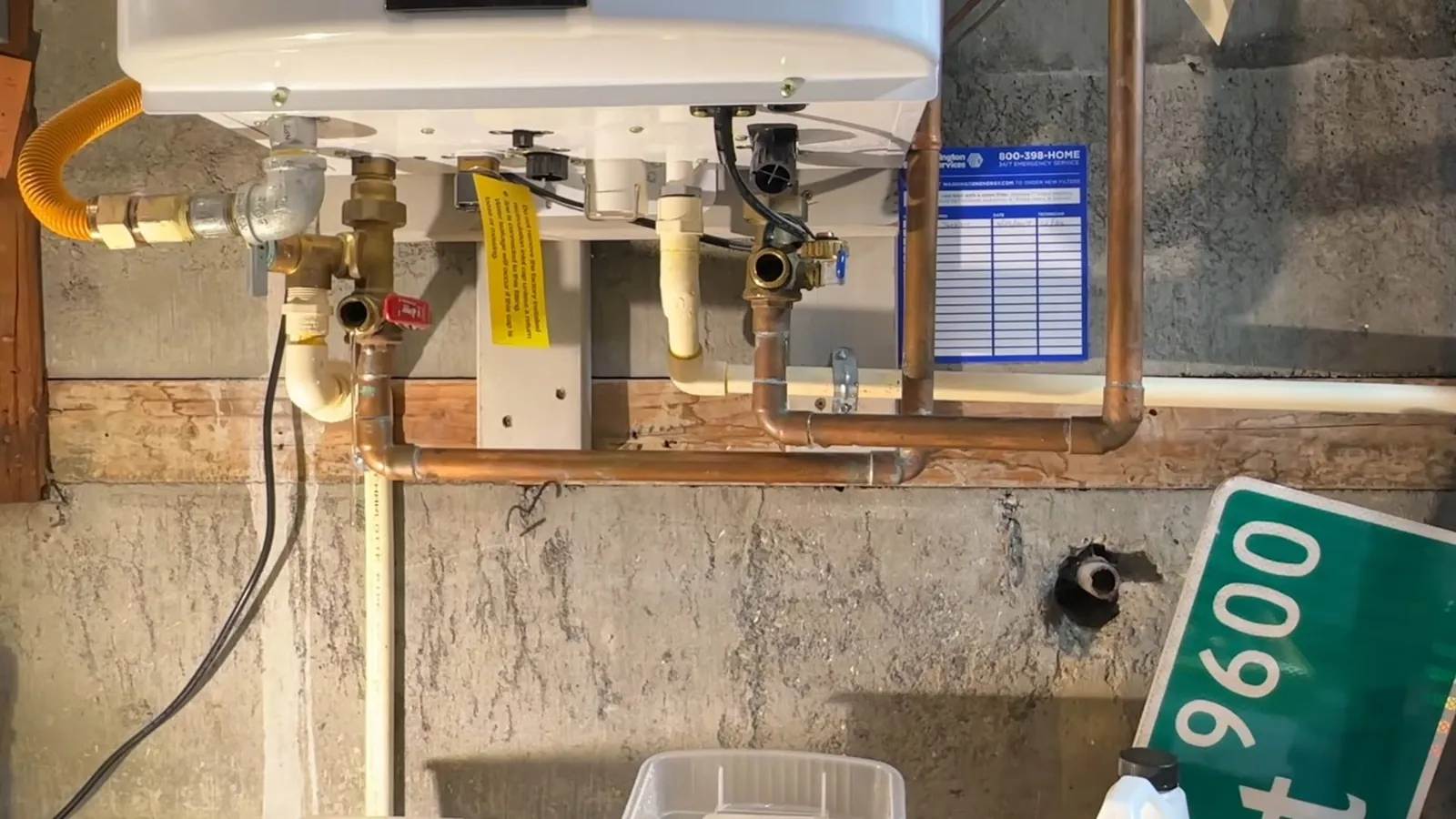
Annual descaling uses a dedicated flushing kit with isolation valves installed at the unit, which circulates a descaling solution through the heat exchanger to dissolve mineral buildup. If your unit wasn't installed with these isolation valves, adding them is a one-time step that makes every future maintenance visit faster and less invasive.
Electric tankless limitations in colder climates
Electric tankless units work harder to raise Sandy's colder incoming groundwater temperature to a usable output temperature than they would in a milder climate, which can mean a lower effective flow rate than the same unit's rated specs suggest. We factor in local groundwater temperature, not just the manufacturer's spec sheet, when recommending an electric tankless unit for a given household's needs.