 Sandy UT Plumbing Experts
Home / Services / Water Softeners
Softening & whole-home filtration
Water Softener Installation & Repair in Sandy, UT
Sandy's water is hard enough to shorten the life of fixtures and appliances — a softener or whole-home filtration system is the fix, not a one-time patch.
Why Sandy's water needs this
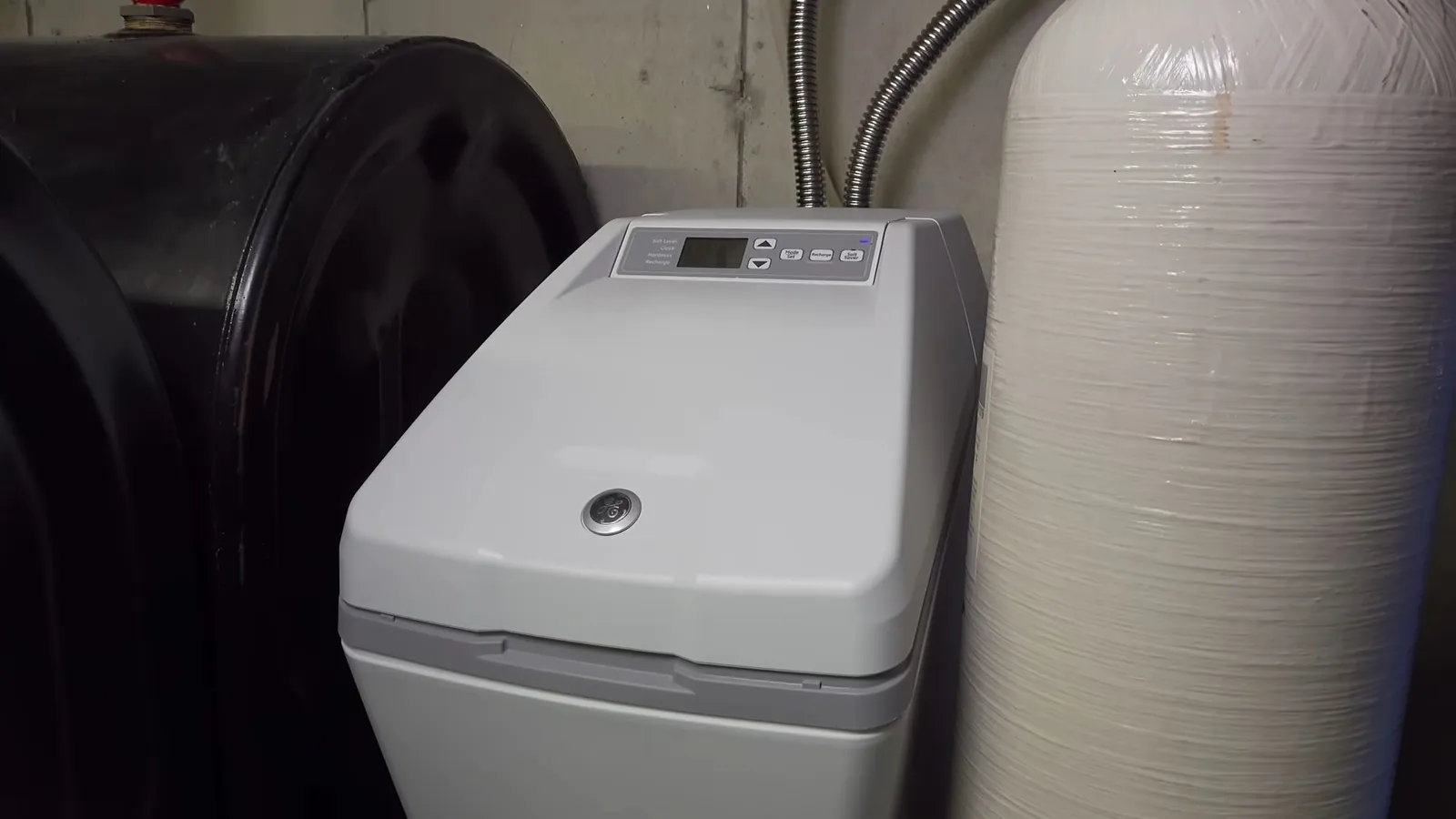
Sandy's municipal water tests at 9.1 grains per gallon, classified as hard, which leaves mineral scale inside pipes, water heaters, and fixtures that doesn't show up overnight but adds up over years. A softener removes the calcium and magnesium causing it before it ever reaches your plumbing.
Choosing a softener system
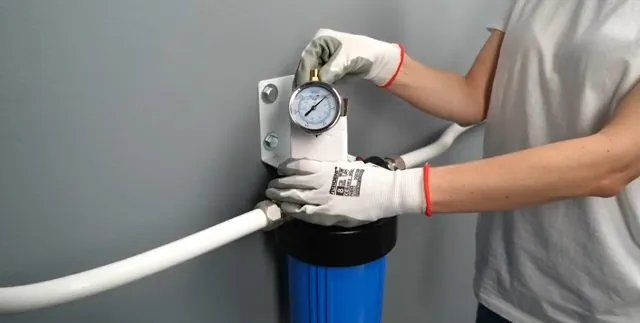
- Salt-based ion exchange: the most common and most effective at actually removing hardness minerals.
- Salt-free conditioners: alter how minerals behave rather than remove them, a lower-maintenance option with a different performance trade-off.
- Sizing: matched to your household's water usage and incoming hardness level, not a generic one-size unit.
Scale buildup, dry skin, or spotty dishes?
Call (385) 555-0103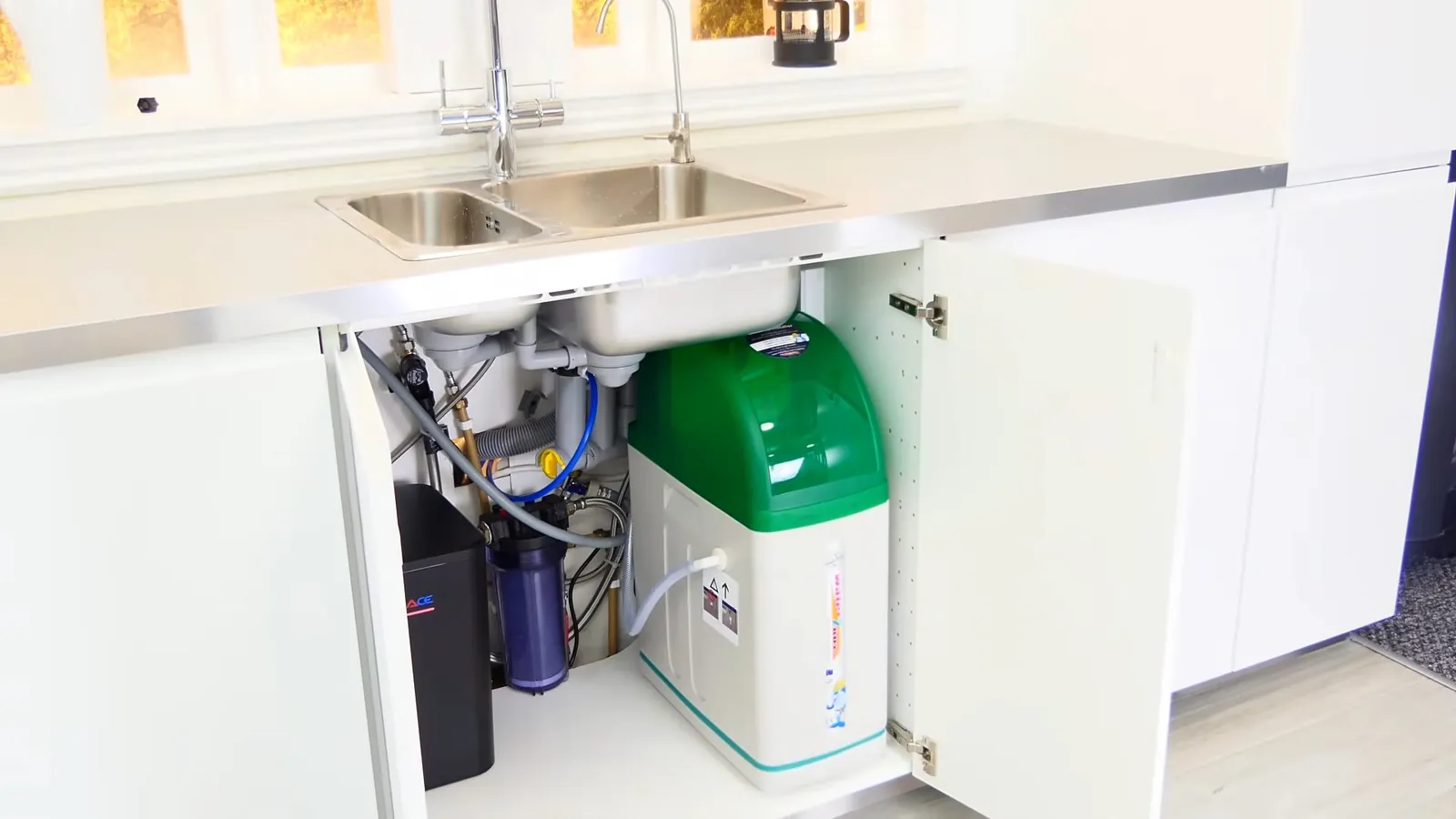
Whole-home water filtration
A filtration system addresses taste, odor, chlorine, and sediment rather than hardness itself, and is often installed alongside a softener rather than instead of one since they solve different problems. We'll walk through which combination actually fits what's in your water versus what's marketed as a bundle.
Repairing an existing softener
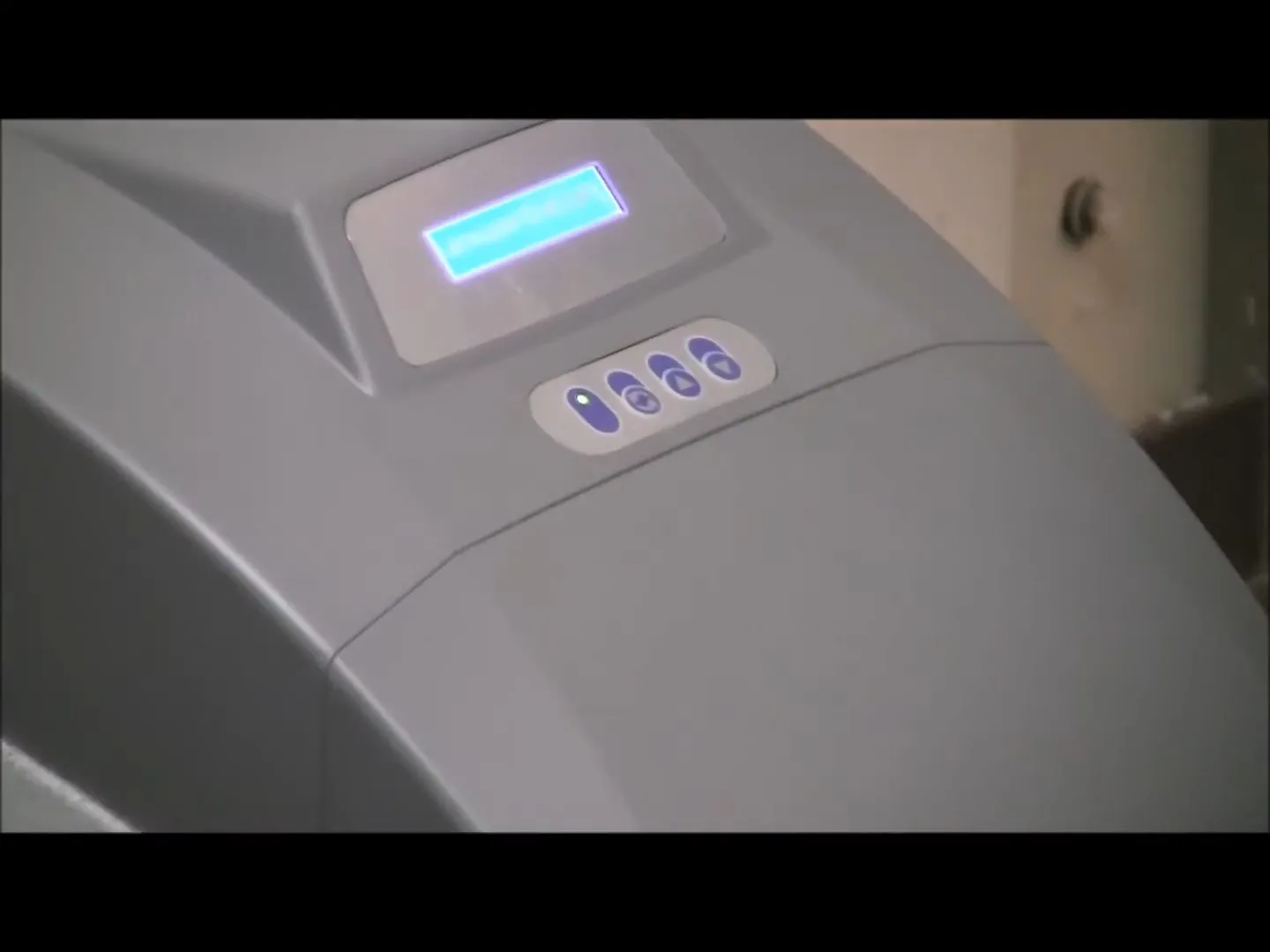
- Not regenerating: often a control valve or timer issue rather than the resin bed itself.
- Salt bridging: a hardened crust forms in the brine tank, blocking salt from dissolving properly.
- Resin bed exhaustion: after years of use, the resin itself may need replacing rather than the whole unit.
How an install visit works
- 1. Test your water: confirm actual hardness and any other treatment needs.
- 2. Size the system: matched to household usage and test results, not guesswork.
- 3. Install & connect: tied into the main supply line, with a bypass valve for future service.
- 4. Set the program: regeneration schedule configured and explained before we leave.
What affects the cost
- System type & capacity: a larger household needs a higher-capacity unit than a smaller one.
- Filtration add-ons: combining a softener with whole-home filtration costs more than either alone.
- Existing plumbing access: tying into the main line is more involved in some mechanical room layouts than others.
See our cost page for wide price ranges.
Salt & maintenance routine
A salt-based softener needs its brine tank checked and refilled periodically, roughly every 4 to 8 weeks depending on household size and settings, and benefits from an annual check of the resin bed and valve. Skipping salt refills is the most common reason a softener quietly stops working while still running.
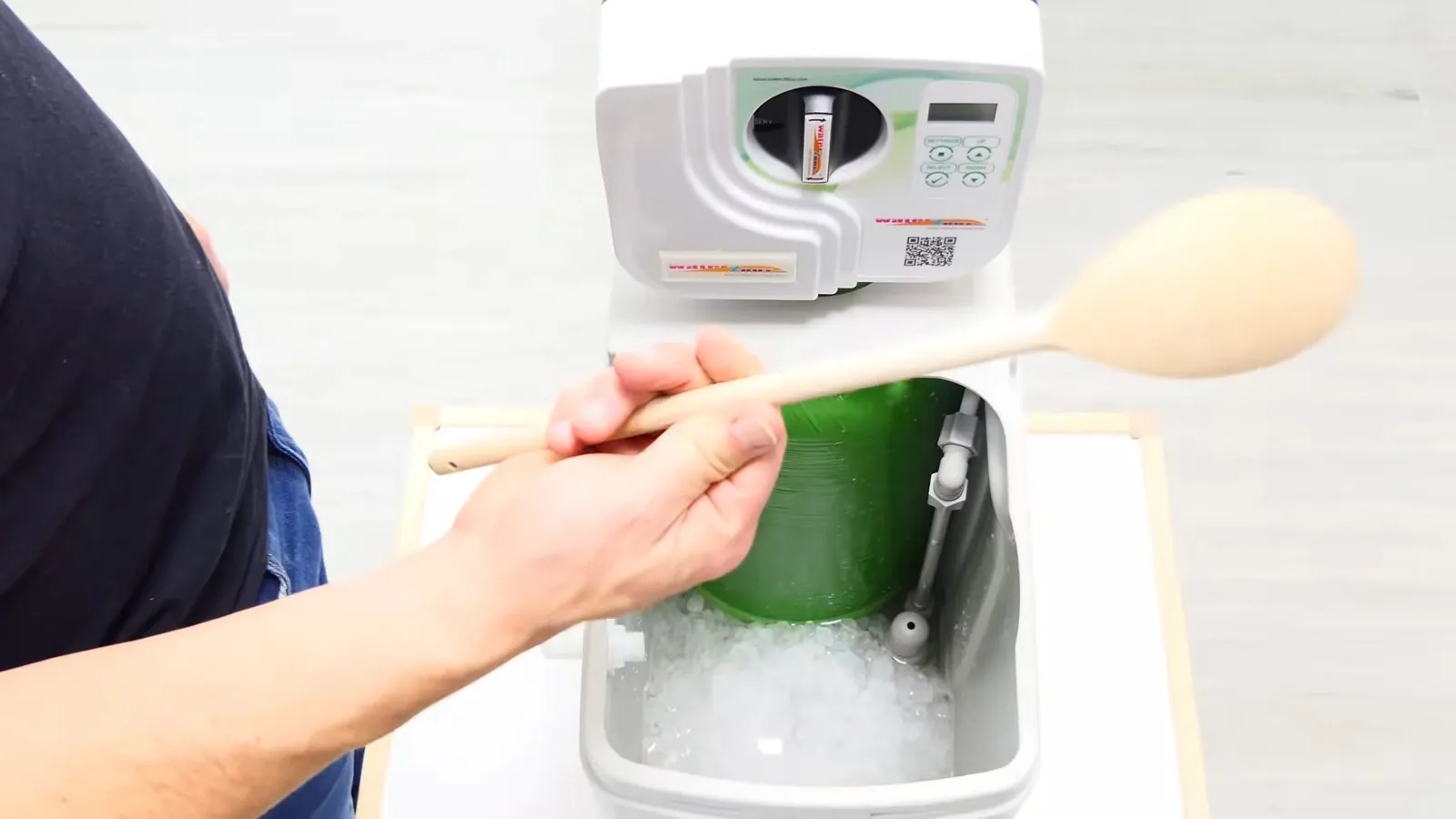
What a softener actually protects
Beyond spotting on dishes and dry skin, softened water meaningfully extends the working life of a water heater, faucets, and any appliance that uses hot water, since scale buildup inside a tank or heat exchanger is a direct cause of early failure on those units. It's worth viewing as protection for everything downstream, not just a comfort upgrade.
Permits & drain requirements
A softener install needs a drain connection for the brine discharge and backflow protection on the connection to the main supply, both required by code. We handle both as part of the installation rather than leave them for a separate trip.
Where the unit goes
A softener needs to sit on the main line before it branches to the water heater and fixtures, usually near where the line enters the home, with enough clearance to service the brine tank. We'll confirm there's a suitable spot, and a nearby drain, before quoting the install.
Softened water and outdoor taps
Most households route outdoor hose bibs around the softener rather than through it, since lawns and gardens don't need softened water and it would use up capacity faster than necessary. We set this up as standard practice unless you have a specific reason to soften outdoor water too.
If you're on a sodium-restricted diet
A salt-based softener adds a small amount of sodium to drinking water through the ion-exchange process, which matters to some people on a sodium-restricted diet. A potassium-chloride alternative to salt, or a dedicated reverse-osmosis tap at the kitchen sink alongside the softener, both address this without giving up softened water elsewhere in the house.
Softener sizing: grain capacity explained
A softener's grain capacity needs to match your household's actual water use and Sandy's hardness level, not just the number of bathrooms in the house. Undersizing means the unit regenerates too often and wears out faster; oversizing wastes salt and water on a regeneration cycle larger than you need. We size based on household size, hardness (9.1 grains per gallon here), and daily water use rather than a generic per-bedroom estimate.
Signs your softener is undersized
- Soap not lathering well even right after a regeneration cycle.
- Scale buildup returning on fixtures faster than it should.
- The unit regenerating more frequently than its rated cycle suggests it should.
Resin bed lifespan
The resin beads inside a softener's tank that actually perform the ion exchange gradually lose effectiveness over roughly ten to fifteen years of regular use, especially in a hard-water market like Sandy where the resin works harder per regeneration cycle than it would in softer water. A softener that's still regenerating on schedule but no longer producing soft water at the tap is a common sign the resin itself needs replacing rather than the whole unit.
Bypass valve: what it's for
Every softener installation includes a bypass valve that lets water skip the softening system entirely, useful during maintenance, a suspected malfunction, or if you temporarily want unsoftened water for outdoor use. Knowing how to operate your unit's bypass valve is worth a quick walkthrough during installation so you're not stuck without working water pressure if the unit ever needs servicing.
Testing your actual water hardness
While Sandy's municipal average sits around 9.1 grains per gallon, actual hardness at your specific tap can vary slightly depending on your home's plumbing age and any existing treatment. We test hardness on site before finalizing a softener's sizing recommendation rather than relying solely on the citywide average, since getting the sizing right the first time avoids an undersized or oversized system.