 Sandy UT Plumbing Experts
Home / Services / Garbage Disposal Repair
Same-day, all makes
Garbage Disposal Repair & Installation in Sandy, UT
A jammed, humming, or leaking disposal usually gets fixed in one visit — a dead motor or an outdated unit gets replaced the same day.
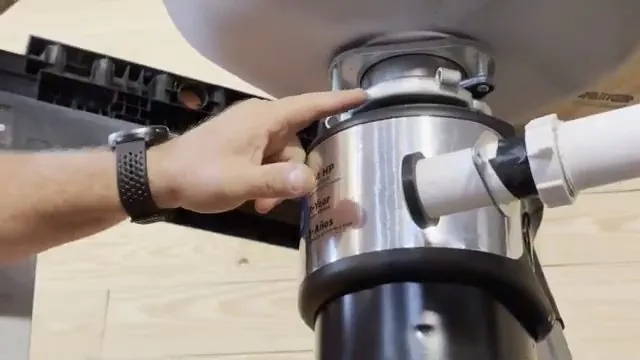
Jammed or humming disposal
A disposal that hums but won't spin usually has something jammed against the impeller, not a dead motor. Cutting power first and manually freeing the jam from underneath (most units have a hex-key slot for exactly this) resolves it more often than people expect, but a disposal that keeps jamming on normal food waste points to a worn or bent impeller worth having checked.
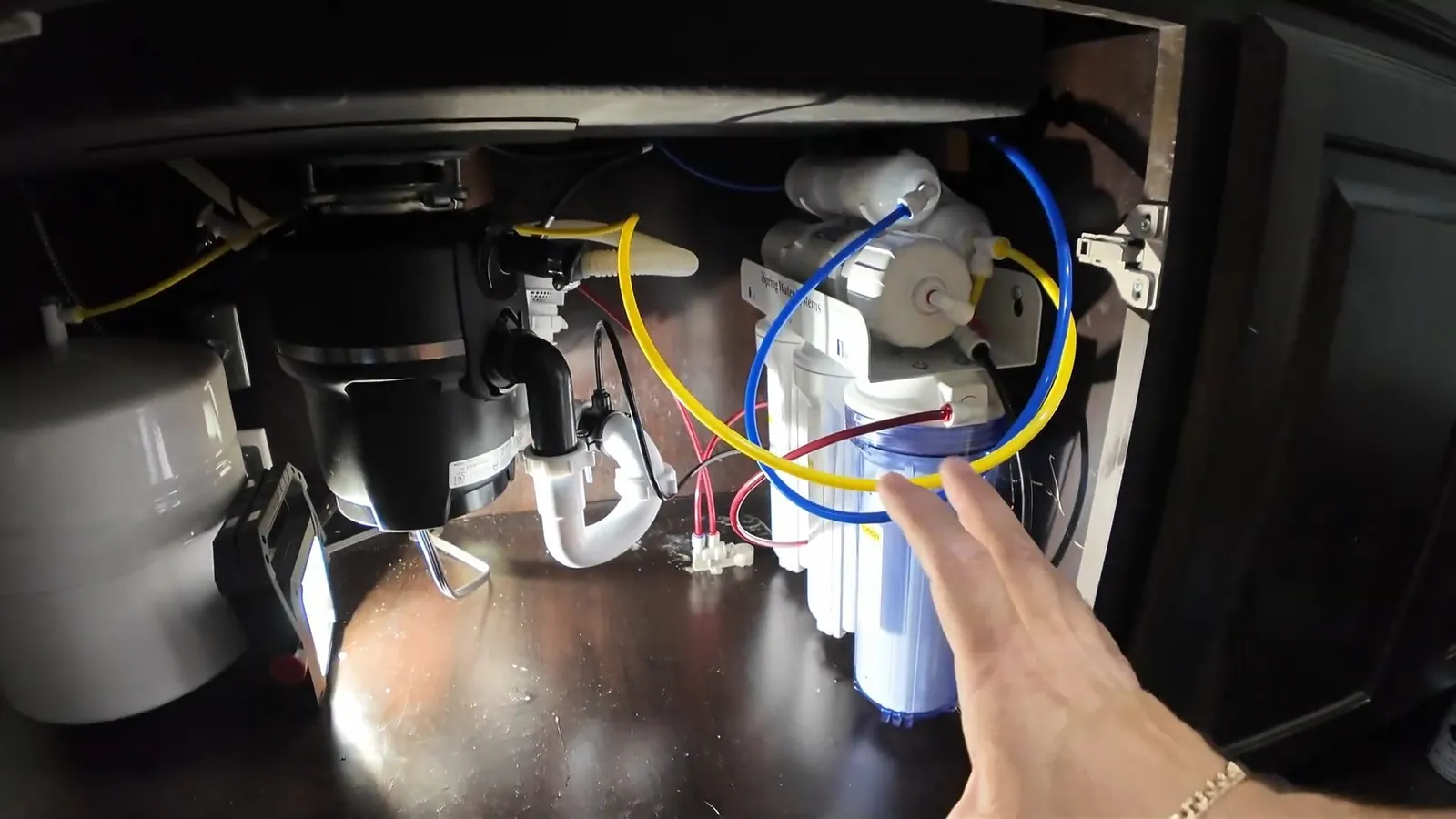
Leaking at the flange or discharge pipe
Water under the sink after disposal use usually comes from one of three spots: the sink flange seal at the top, the discharge pipe connection to the drain line, or a cracked housing. The flange seal is the most common and the cheapest fix; a cracked housing means the unit needs replacing rather than resealing.
Jammed, leaking, or a dead disposal?
Call (385) 555-0103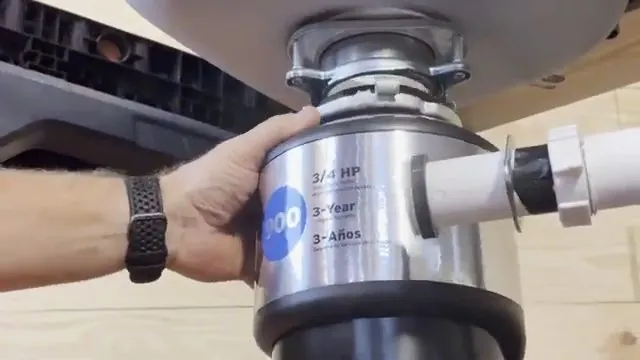
Burnt-out motors
A disposal that won't hum or spin at all, even after a reset, usually has a burnt-out motor, often from running dry or jamming repeatedly without being cleared. At that point replacement is almost always the better value than a motor-level repair.
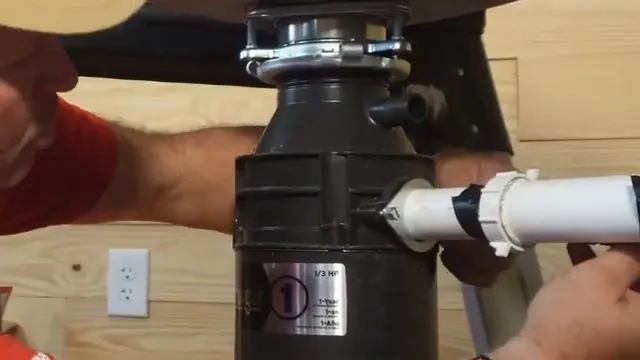
Installing a new disposal
- Straight swap: replacing a unit of the same horsepower class under an existing sink.
- Upgrade install: moving to a higher horsepower or quieter model, sometimes needing a larger outlet or new mounting assembly.
- New hookup: installing a disposal where one wasn't present before, which means adding the electrical connection and drain tie-in.
Choosing a replacement unit
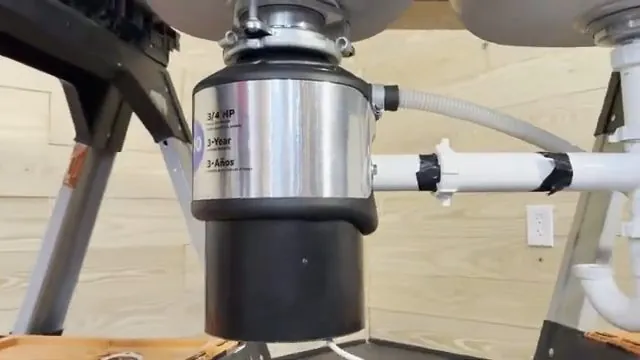
A 1/3 horsepower unit handles light, single-person household use; 1/2 to 3/4 horsepower handles family kitchens and tougher scraps without jamming as often. We'll recommend a tier based on your household's actual cooking habits rather than default to the cheapest or the biggest.
How a repair visit works
- 1. Diagnose the symptom: jam, leak, noise, or no power at all.
- 2. Quote the fix: repair versus replacement, with the trade-off explained.
- 3. Repair or swap the unit: on the same visit in almost every case.
- 4. Test under load: run water and waste through it before we call it done.
What affects the cost
- Repair vs. replacement: clearing a jam or resealing a flange is a small job; a new unit costs more.
- Horsepower tier: higher-horsepower and quieter-insulated models cost more than a basic unit.
- New hookup requirements: adding power or drain connections where none existed adds labor.
See our cost page for wide price ranges.
Simple upkeep that prevents most calls
- Run cold water, not hot, while the disposal is running and for a few seconds after.
- Avoid fibrous waste like celery and corn husks, which wrap around the impeller instead of cutting cleanly.
- Grease and oil belong in the trash, not the disposal, where they solidify and contribute to clogs downstream.
Garbage disposals in older Sandy kitchens
Homes from the pre-1980s suburban growth era sometimes have undersized electrical circuits for a modern high-horsepower disposal, or drain lines that weren't originally sized with a disposal in mind. We check both before installing a new unit so it doesn't trip breakers or back up the drain line once it's running.
Odor coming from the disposal
A persistent smell usually means trapped food residue in the splash guard or along the inside walls of the grind chamber, not a plumbing problem. Running ice cubes with a little dish soap through a running disposal, followed by cold water, clears most of this — a smell that returns within days despite cleaning can mean a deeper backup worth checking.
Disposal and dishwasher drain connections
Most disposals have a knockout plug that must be removed before connecting a dishwasher drain line, a step that's sometimes missed on a DIY install and causes the dishwasher to back up instead of draining. We check this on every new install and on any disposal swap where a dishwasher is already connected.
Reset button: the first thing to check
A disposal that's gone completely silent, with no hum at all, has often just tripped its internal reset button from an overload, located on the bottom of the unit. Pressing it after clearing the jam resolves a surprising number of "dead disposal" calls without any parts needed. If pressing reset does nothing, or it trips again immediately, that points toward an actual motor or electrical issue worth a visit.
What NOT to put down a disposal
- Fibrous vegetables like celery and corn husks, which wrap around the blades.
- Coffee grounds and eggshells, which don't grind cleanly and contribute to pipe buildup.
- Grease and cooking oil, which coat the blades and the drain line downstream.
- Bones, fruit pits, and anything genuinely hard, which strain the motor.
Disposal age and when replacement makes more sense
Most garbage disposals are rated for roughly eight to twelve years of service life, and a unit approaching or past that range that's showing its first real problem is often a better candidate for replacement than repair, since a motor-level fix on an aging unit frequently just delays a second failure. We'll tell you honestly where your unit's age puts it rather than defaulting to the more expensive repair option.
Noise changes as an early warning sign
A disposal that's gotten noticeably louder or developed a new rattling sound, even if it's still grinding normally, is often showing early signs of bearing wear or a loose mounting. Catching this before it fails completely means a simpler, less urgent repair visit instead of a no-disposal emergency call later.
Disposal sizing for household needs
A 1/3 HP disposal handles light, occasional use fine, but a household that cooks frequently and processes more food waste benefits from a 1/2 HP or 3/4 HP unit that jams less often and handles tougher scraps more reliably. If you're replacing a unit that jammed frequently, upgrading horsepower rather than just swapping in an identical replacement is often worth the modest cost difference.