 Sandy UT Plumbing Experts
Home / Services / Whole-House Repiping
Highest-ticket project, PEX conversion
Whole-House Repiping in Sandy, UT
Replacing all of a home's failing copper or galvanized supply lines with PEX in one project, usually the right call once a house is patching the same runs every winter.
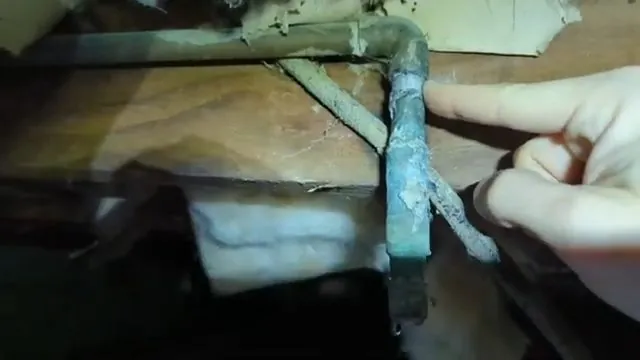
Signs a full repipe makes more sense than another repair
- You've had two or more pipe repairs in the past year on different parts of the house.
- Water pressure has dropped noticeably over several years, often from the inside of galvanized pipe narrowing with scale.
- Rusty water at multiple fixtures, not just one.
- Your home still has its original galvanized supply lines and is more than 40–50 years old.
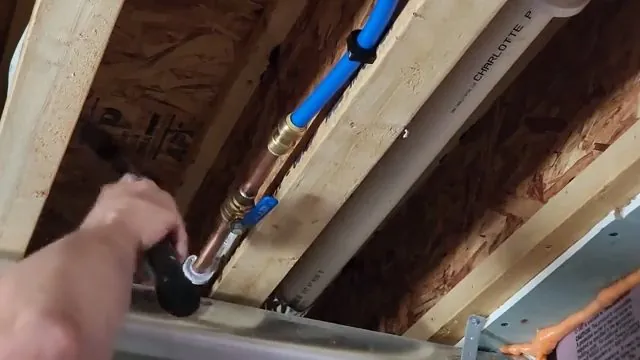
Why PEX, and why it matters more here
- PEX doesn't corrode or scale the way galvanized steel does, which matters directly against Sandy's hard water (9.1 grains per gallon).
- It flexes slightly rather than cracking outright in a hard freeze, lowering (not eliminating) the risk of a repeat burst in an exposed run.
- It can often be run through existing wall cavities with smaller access openings than rigid pipe needs, which keeps patch-and-paint work down.
Patching the same pipe every winter?
Call (385) 555-0103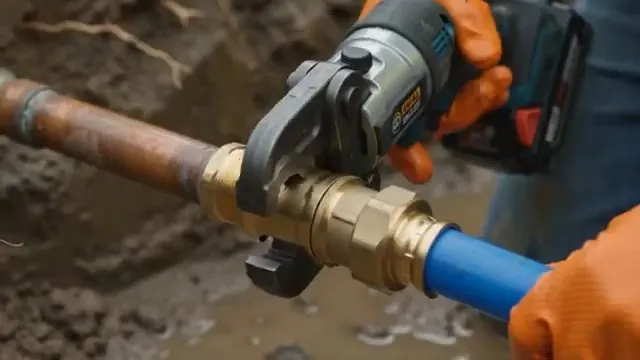
How the project works
- 1. Walkthrough & plan: we map every fixture and existing line before quoting.
- 2. Access points: targeted openings in walls, ceilings, or flooring, planned to minimize drywall work.
- 3. New PEX run: old pipe removed, new lines run and pressure-tested.
- 4. Patch & permit sign-off: access points closed and the required city inspection scheduled.
Permits
A full repipe in Sandy requires a building permit and inspection before walls are closed back up. We schedule that as part of the project rather than leaving it for you to arrange.
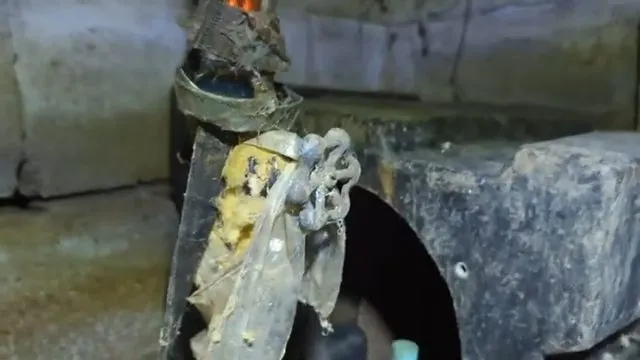
What affects the cost
- Home size & bathroom count: more fixtures means more linear footage of new pipe.
- Single vs. two-story access: upper floors add complexity for routing and drywall access.
- Existing pipe material: galvanized removal takes longer than swapping out old copper.
See our cost page for wide price ranges — this is our highest-ticket single project, and we'll walk through the number in detail before you commit.
What happens to the old pipe
Old galvanized or copper is capped and abandoned in place where removing it would mean unnecessary demolition, or fully removed where it's already exposed during the access work. We'll tell you which approach applies to your home before the walls go back together.
Living in the house during the project
Most repipe projects run water off for parts of a day at a time rather than the whole project, and we coordinate the shutoff windows with you in advance. A full-house repipe on an occupied home typically takes a few days depending on size and access.
How the quote is built
- 1. Full walkthrough: every fixture and run mapped before a number is given.
- 2. Access plan: where openings go, and how they'll be patched.
- 3. Written scope: what's included, what's excluded, and the permit process.
- 4. Sign-off before any demolition starts.
How this is different from a repair quote
A repipe quote accounts for every fixture in the home rather than just the one pipe in front of us, which is why it takes a full walkthrough rather than a phone estimate. We'd rather spend the extra time up front than revise the number mid-project because a bathroom got missed.
What happens to water pressure afterward
Most homes see more even, consistent pressure after a repipe, since new PEX lines run full diameter instead of a galvanized line narrowed by decades of scale. If pressure was already a problem from the street side rather than the house's own pipe, a repipe alone won't fix that — we'll say so rather than oversell the result.
Partial repipes
Not every home needs the whole house done at once. If only the upper floor still has old galvanized pipe while the rest was already updated, a partial repipe can address just that section, usually at a lower cost than redoing lines that are already sound.
Signs of impending pipe failure before a leak
- Discolored water, especially right after the house has sat unused for a few hours.
- A noticeable drop in water pressure that's gotten worse gradually, not suddenly.
- Pinhole leak repairs becoming a repeat event rather than a one-time fix.
- Visible green or white corrosion at exposed copper joints.
Any one of these alone isn't necessarily a repipe situation, but two or more together are worth a whole-house assessment before the first real leak forces the decision.
Inspecting the work afterward
Once a repipe is complete, we walk the house with you, fixture by fixture, confirming water pressure and flow at every tap before considering the job done. Any drywall patching we did gets a final check for texture match, and we leave a simple map of the new line layout in case any future work needs to locate them.
Repiping around existing finished spaces
Where possible, we route new PEX lines through attics, crawlspaces, and basements rather than cutting into finished walls, which is one of the real advantages PEX has over rigid copper for a whole-house project. This doesn't eliminate drywall work entirely, especially for wall-mounted fixtures, but it meaningfully reduces how much patching and repainting a repipe actually requires compared to older rigid-pipe methods.
Water heater connections during a repipe
A whole-house repipe is also a natural point to inspect and, if needed, replace the flexible connectors at the water heater, since those connectors have a shorter service life than the pipe itself and are easy to overlook once the rest of the system is new. We check them as part of the project rather than leaving an aging weak point in an otherwise freshly repiped home.
Repiping in stages
For homeowners who can't take on the full cost or disruption of a whole-house repipe at once, phased repiping by floor or by section is sometimes an option, tackling the highest-risk areas first. It's not always the most cost-efficient approach overall compared to doing it in one project, but it can make the work more manageable for a budget or a household that can't be fully without water for an extended stretch.