 Sandy UT Plumbing Experts
Home / Services / Water Leak Detection
Acoustic, electronic & infrared
Water Leak Detection Services in Sandy, UT
A leak you can't see yet, behind a wall, under a floor, or out in the yard, gets pinpointed with the right detection method before anything is opened up.
Early warning signs most homeowners miss
- A water bill that's climbed with no change in how the household uses water.
- A faint, persistent dampness or musty smell with no visible source.
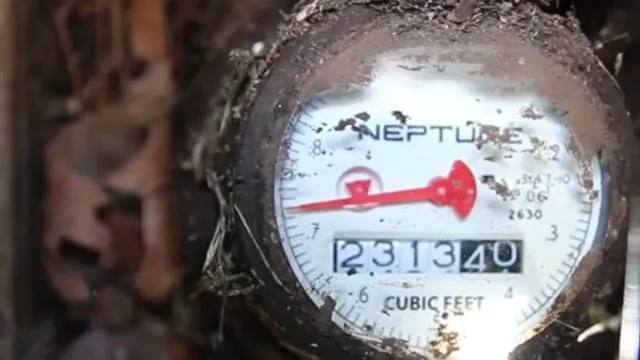
- A water meter that keeps spinning slowly even with every fixture in the house turned off.
- Discoloration or a soft spot on a ceiling, wall, or floor that wasn't there before.
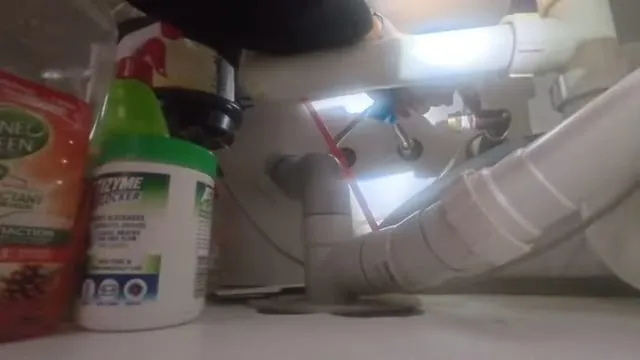
Pinpointing a leak without tearing into walls
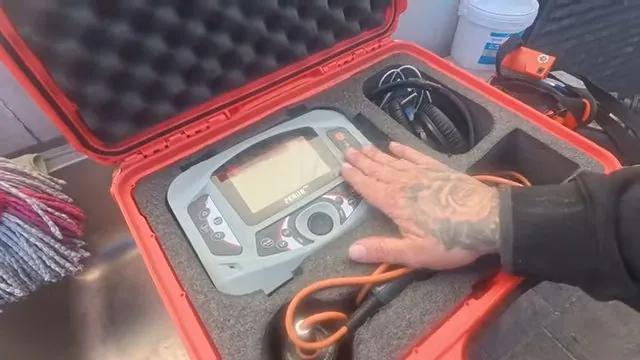
- Acoustic listening: picks up the specific sound of water escaping a pressurized line.
- Electronic detection: traces moisture and conductivity changes along a suspected path.
- Infrared scanning: reveals temperature differences in walls and floors caused by moisture, especially useful on hot-water-side leaks.
Rising water bill or a damp spot with no clear cause?
Call (385) 555-0103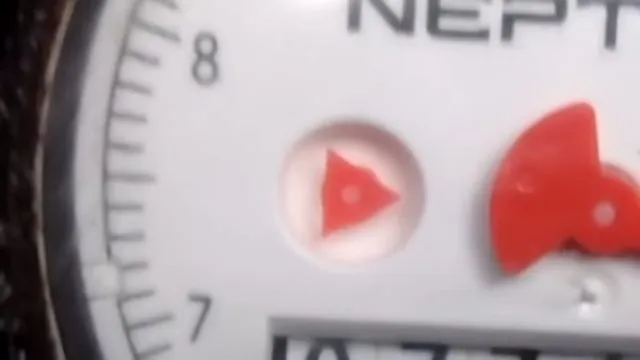
Ceiling, wall & roof-adjacent leaks
Water showing up on a ceiling or upper wall isn't always a roof problem — it can be a supply line, a gutter backing up at the roofline, or condensation from an attic vent. We trace the actual source rather than assume the nearest explanation, since treating the wrong cause leaves the real leak active.
Pool, spa & irrigation leaks
A pool or spa that's losing water faster than evaporation accounts for, or a sprinkler zone that's suddenly soggy between cycles, both get the same acoustic and pressure-based detection approach as a leak inside the house.
Copper pinhole leaks
Small pinhole leaks in aging copper supply lines are easy to miss until they've already caused damage, since they often start as a slow drip inside a wall rather than a visible puddle. These tend to appear in clusters on older copper runs, so finding one is a reason to check the rest of that line, not just patch the single spot.
A simple first check: the water-meter test
Turn off every fixture and appliance that uses water, then check if the meter's leak indicator (a small triangular or spinning dial) is still moving. If it is, water is flowing somewhere in the system even with everything off, which is a strong sign of a hidden leak worth a professional detection visit.
How a detection visit works
- 1. Narrow the area: based on symptoms, the meter test, and where in the home or yard they show up.
- 2. Apply the right detection method: acoustic, electronic, or infrared, sometimes combined.
- 3. Confirm the exact location: before any wall, floor, or landscaping is opened.
- 4. Hand off to repair: we connect you to the right repair page or team once the leak type is identified.
What affects the cost
- Area to search: a narrowed-down single room costs less to investigate than a whole-house search.
- Detection method required: combining methods for a hard-to-find leak takes more time than a single-method check.
- Access: an exposed crawlspace line is faster to check than one behind finished walls.
See our cost page for wide price ranges.
Commercial properties
A commercial building with a suspected leak often needs detection work scheduled around business hours to avoid disrupting operations, and may involve a larger area or multiple suspect zones at once. The same detection methods apply, scaled to the property.
Once the leak is found
We'll tell you plainly which type of leak it is and point you to the right next step, whether that's a fixture repair, a burst-pipe call, a slab leak specialist, or restoration work, rather than try to handle every repair type from this one diagnostic visit.
Older homes near Sandy's historic core
Original cast-iron, clay, or early copper lines in homes built before modern plumbing standards are more prone to hidden failure points than newer PEX or modern copper, especially at old solder joints. We factor the home's plumbing age into where we start looking rather than treat every house the same.
Why guessing costs more than detecting
Opening a wall or digging up a yard based on a guess, only to find nothing, costs more in patch-up work than the detection visit would have. A proper detection pass narrows the search to the actual spot before anything gets opened, which usually ends up cheaper even counting the detection fee itself.
False alarms: what else raises a water bill
Not every unexplained water bill increase is a leak. A running toilet flapper, an irrigation system with a stuck zone valve, or simply a change in household water use (a new appliance, guests staying longer) can all raise the bill without any hidden leak at all. We walk through these common non-leak causes on the phone first, since ruling them out is faster and cheaper than scheduling a detection visit for something a five-minute check at home can confirm.
When to call us versus your water utility
If the leak is between the water meter and your house, it's your responsibility and ours to find and fix. If it's on the utility side of the meter, between the meter and the main in the street, that's the city's responsibility, not yours. A quick way to tell: check the meter itself during a period with no water use in the house. If the small leak indicator on the meter is still spinning, the leak is almost always on your side of the line.
Thermal imaging: how it finds hidden moisture
Thermal imaging cameras detect temperature differences on a surface, and a wet area behind a wall or under a floor typically reads cooler or warmer than the surrounding dry material depending on the water source. It's a non-invasive first step that can narrow down a search area significantly before any wall or floor needs to be opened, which is why we often use it alongside acoustic detection rather than relying on just one method.
Irrigation system leaks
A leak in an underground sprinkler line shows up differently than a leak in the home's plumbing: typically a consistently soggy patch of lawn, a zone that doesn't pressurize correctly, or water bill increases that correlate with the irrigation schedule rather than indoor water use. We can help identify whether a leak is on the irrigation side versus the home's supply line, since the two are often confused but require different fixes.