 Sandy UT Plumbing Experts
Home / Services / Burst & Broken Pipe Repair
Immediate 24/7, seasonal frozen pipes
Burst & Broken Pipe Repair in Sandy, UT
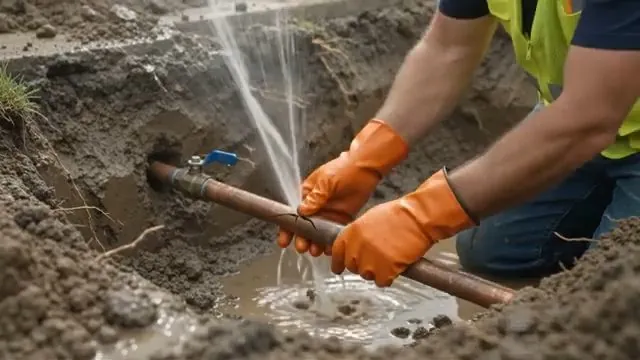
A pipe that's already split or actively leaking gets emergency shutoff and repair — most often the result of a hard freeze here, not age alone.
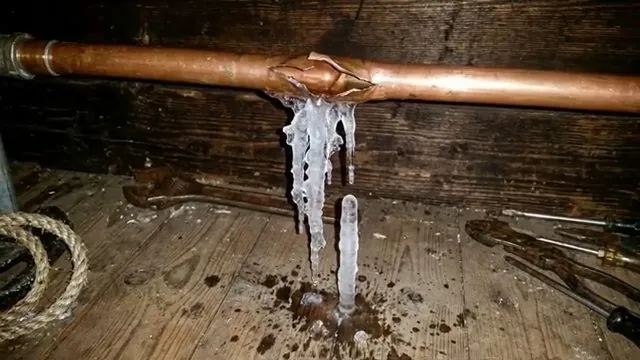
What to do right now
- Shut off your main water valve immediately, usually near the water meter.
- Open a low faucet to relieve pressure in the lines.
- Don't attempt to thaw a frozen section yourself — that's when a weakened pipe actually splits.
- Move anything valuable away from the leak, but avoid standing water near outlets.
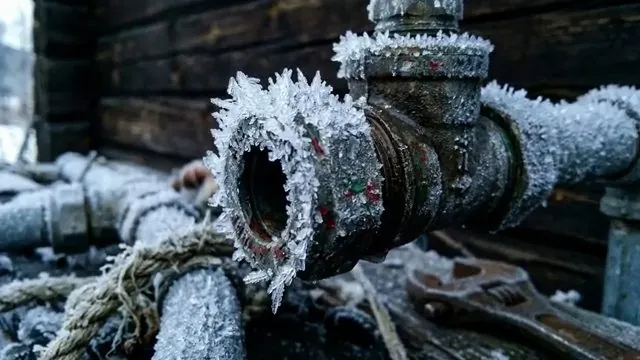
Why this is a winter problem in Sandy
Sandy's record low is -17°F, and ordinary cold snaps well below freezing are routine, not rare. A hose bib without a frost-proof valve, a line run through an unheated garage, or a pipe against an uninsulated exterior wall can freeze solid and split in a single hard night, often discovered only once it thaws days later.
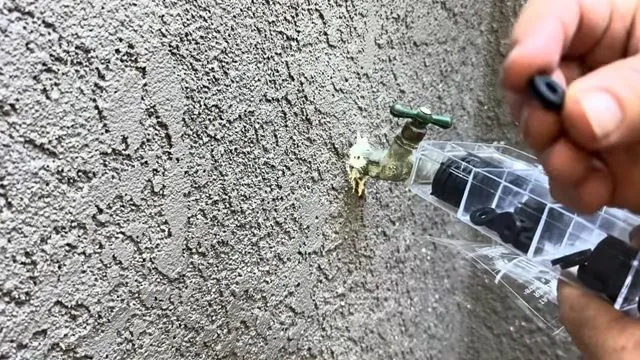
Active leak or a pipe that's already split?
Call (385) 555-0103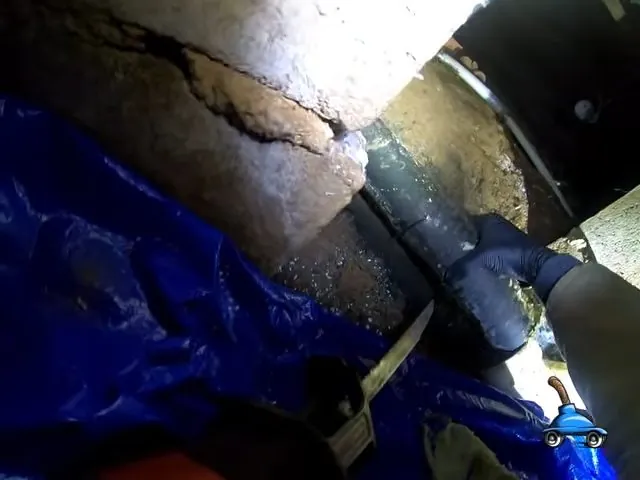
What the repair involves
- Emergency shutoff: stopping water loss before anything else.
- Section replacement: cutting out the damaged run and replacing it, matching the existing pipe material where practical.
- Freeze protection: insulation or a frost-proof fitting added so the same spot doesn't fail again next winter.
If water has already reached flooring or a ceiling
We can usually send the same crew for the pipe repair and the initial water extraction together. Full drying and restoration detail, including multi-day equipment and moisture documentation, lives on our Water Damage Restoration page.
What this page doesn't cover
A slow, hidden leak that hasn't actually burst belongs on Water Leak Detection, and a break specifically under a concrete slab belongs on Slab Leak Detection & Repair — both need different diagnostic tools than a visible burst does.
How a dispatch call works
- 1. Phone triage: confirm it's an active burst and walk you through the main shutoff if needed.
- 2. Dispatch: emergency crew sent on the same call, day or night.
- 3. Repair: section replacement and freeze protection on site.
- 4. Water-damage check: we flag if extraction or drying equipment is also needed.
What affects the cost
- Pipe access: an exposed line in a garage repairs faster than one behind a finished wall.
- Pipe material: copper, PEX, and galvanized repairs price differently.
- Extent of freeze damage: one split section versus multiple failure points along the same run.
See our cost page for wide price ranges.
Commercial & residential burst pipe calls
A commercial building with a burst line often needs faster containment to limit damage to inventory or equipment, and may need after-hours scheduling to avoid disrupting business the next day. Residential calls are more often tied to a single exterior-facing run or an unheated space, and usually resolve in one visit.
Preventing the next one
- Insulate any exposed pipe in a garage, crawlspace, or attic before the first hard freeze of the season.
- Install frost-proof hose bibs if you still have the older style that can trap water.
- Know where your main shutoff is before you need it at 2 a.m.
How a repair visit works
- 1. Emergency shutoff and triage: stop the water first, assess second.
- 2. Locate the full extent: one split section, or signs of more freeze stress along the same run.
- 3. Repair and protect: section replaced, exposed areas insulated against a repeat.
- 4. Hand-off: if drying equipment is needed, we arrange it on the same visit.
A note on insurance
Most homeowner's policies cover sudden burst-pipe damage, which is different from gradual leak damage that built up over time undetected. We document what we find on arrival, which can help support a claim either way, though the coverage decision itself is between you and your insurer.
If it happens again in the same spot
A repeat failure at the same location, even after a repair, usually means the underlying exposure (lack of insulation, a tight bend, or a run still against an uninsulated wall) wasn't fully addressed the first time. We'll look at the surrounding section, not just the failed point, before calling the repair finished.
Pipe material and how it bursts differently
- Copper: splits lengthwise along the pipe when water freezes and expands inside it.
- PEX: more flexible and freeze-resistant than copper, but still fails at joints and fittings under enough pressure.
- Galvanized steel (older homes): prone to corrosion-weakened failure points, not just freeze splits.
Knowing which material is in your walls helps us bring the right fittings on the first visit instead of a second trip.
What to tell dispatch when you call
The fastest way to get the right response is giving dispatch three things up front: whether the main shutoff is already closed, roughly where the pipe is located (which wall, which floor), and whether water has reached flooring, drywall, or a ceiling below. That lets us send a technician already prepared for the likely scope rather than figuring it out from scratch on arrival.
Insulating exposed pipes before the next freeze
Pipes running through an unheated garage, crawlspace, or exterior wall are the ones most likely to freeze and burst during a Sandy cold snap, and foam pipe insulation on these exposed runs is a low-cost step that meaningfully cuts freeze risk. We'll point out exposed, uninsulated runs we notice during a repair visit, since preventing the next burst is usually cheaper than repairing it.
Shutoff valve locations homeowners often don't know
Beyond the main shutoff, many homes have individual shutoff valves at each fixture and sometimes a separate shutoff for an entire floor or wing of the house. Knowing where these are before an emergency happens means you can isolate a single burst line without cutting water to the whole house, which matters if the burst is in one bathroom and you still need water everywhere else while waiting for a repair.
Why some bursts happen days after a freeze
A pipe doesn't always split the moment it freezes; the ice typically causes the split first, but the actual leak often doesn't show until the pipe thaws and water pressure returns, which can be hours or even a day or two after the cold snap itself. If a pipe froze but you didn't see an immediate leak, it's still worth having it checked once temperatures rise.