 Sandy UT Plumbing Experts
Home / Services / Drain Cleaning
Same-day, camera-verified
Drain Cleaning & Clog Removal in Sandy, UT
A slow or blocked drain, cleared the same day and checked with a camera so you can see the line, not just take our word for it.
What we clear
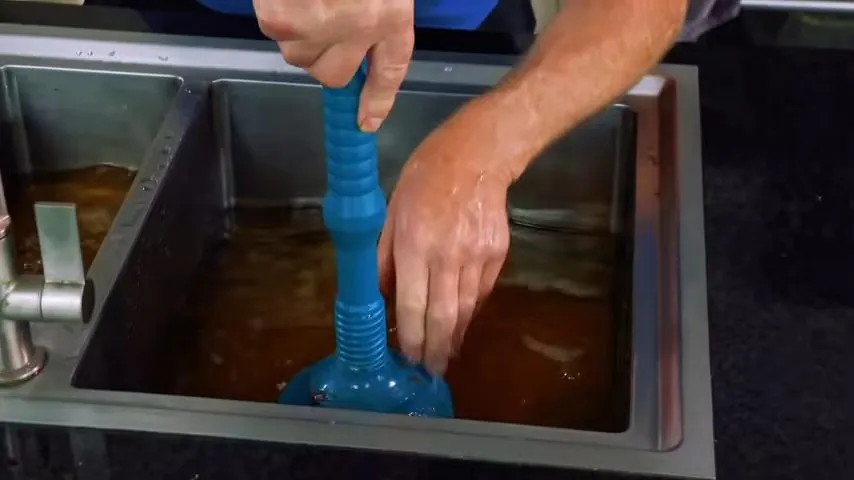
- Interior clogged drains: kitchen, bathroom, tub, and floor drains, cleared by cable the same visit in most cases.
- Storm & French drains: exterior drainage lines that back up or stop draining around the yard or foundation.
- Commercial kitchen & grease drains: grease-trap and kitchen exhaust drain cleaning for restaurants and commercial kitchens.
- Drain camera inspection: a look inside the line to confirm what's actually wrong before recommending a fix.
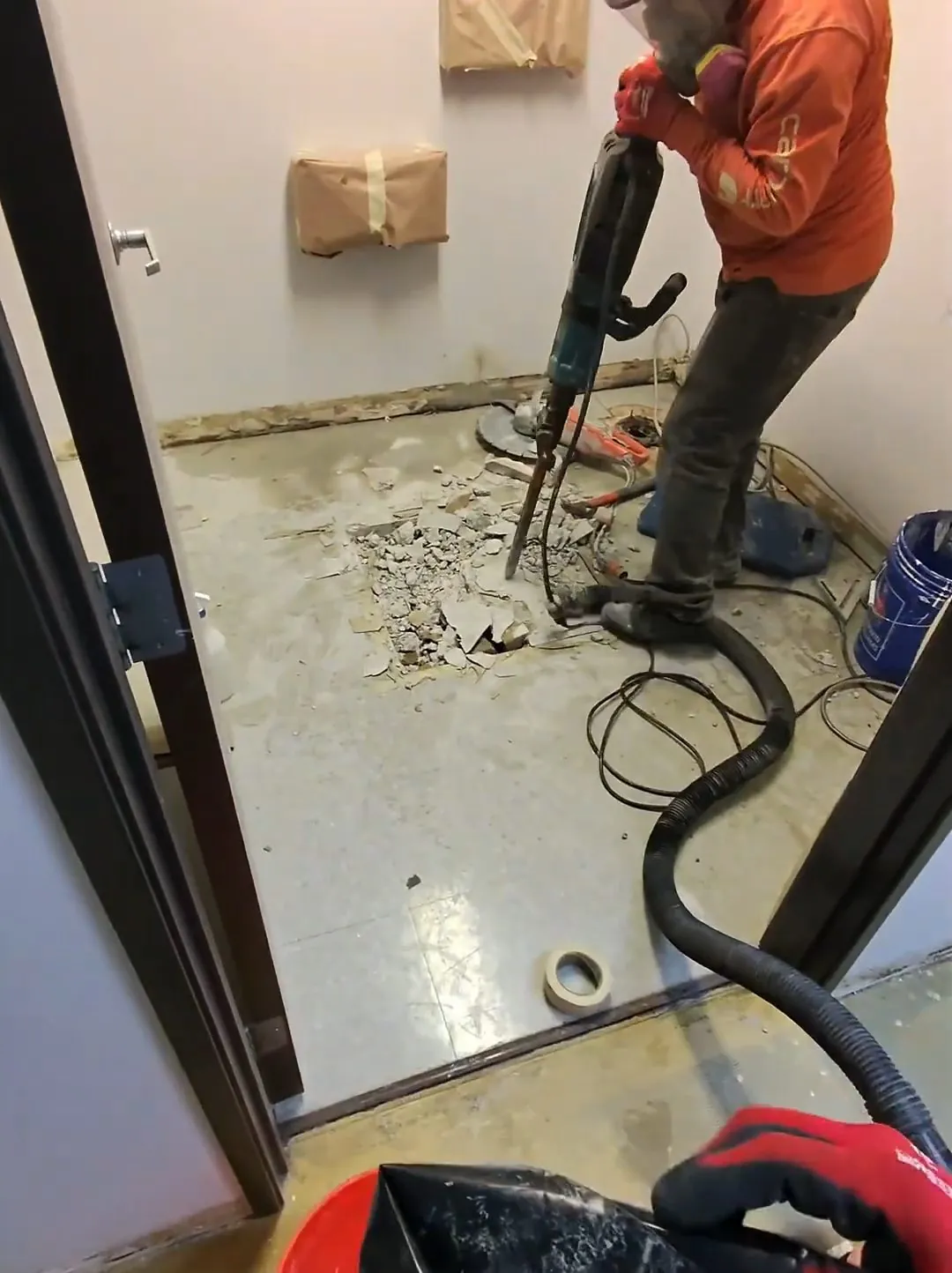
One drain backed up, or more than one?
- Just the kitchen sink: almost always grease or food debris in the branch line close to the fixture. Cabling clears it the same visit.
- Kitchen, shower, and a gurgling toilet together: this pattern points to the shared main line being restricted, not any single fixture. We'll say so directly rather than clear one symptom and leave the rest for next month.
Slow drain, repeat clog, or more than one fixture backing up?
Call (385) 555-0103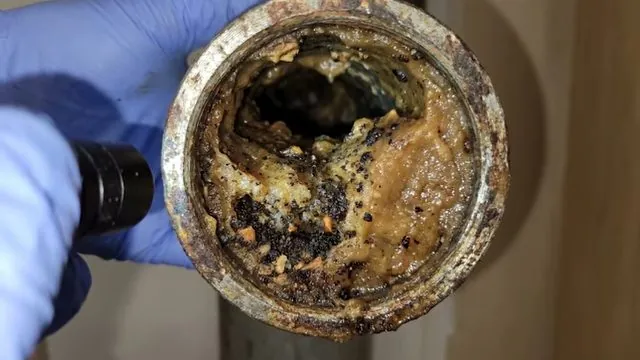
Hard water (9.1 grains per gallon) narrows the usable width of older galvanized and cast-iron lines over time, so a partly-closed pipe clogs on far less debris. Mature trees near Sandy's historic core have also had decades to find their way into aging clay joints — a repeat main-line clog here is more often root intrusion or scale than a one-time object.
How often to schedule it
- Most homes: preventative cleaning every 18–24 months.
- Mature trees near the line, or heavy kitchen grease use: annual hydro jetting instead — see our Hydro Jetting page.
Commercial kitchens: what's different
- Grease traps and kitchen exhaust drains need scheduled cleaning, not just reactive clog clearing, to stay compliant and avoid a mid-service backup.
- We work around operating hours where possible so a restaurant isn't closed for a routine drain visit.
What a camera inspection actually shows us
- Whether the clog is a one-time object or ongoing mineral scale narrowing the pipe.
- Root intrusion through a joint or crack, which changes the conversation toward a line repair.
- Whether the issue sits in a single branch or the shared main line.
How a visit works
- 1. Describe the symptom: which drains are affected, and whether it's new or repeat.
- 2. Clear the line: cabling for most calls, camera-guided where needed.
- 3. Camera confirmation: we show you the cleared line, not just tell you it's clear.
- 4. Recommend next steps: routine maintenance schedule, or a referral to jetting or line repair if the camera shows a bigger issue.
Simple habits that cut down on clogs
- Keep grease, coffee grounds, and food scraps out of the kitchen drain, even with a disposal installed.
- Use a hair catcher in tub and shower drains.
- Have outdoor storm drains checked before the fall if mature trees drop leaves near them.
Storm & French drains around the property
Exterior drainage lines carrying water away from a foundation or yard low point clog with leaves, silt, and sediment rather than the grease and hair that clog interior lines. A storm drain that stops draining after a snowmelt or heavy rain is usually a surface-level blockage at the grate or a short run of silted pipe, and it's typically a faster fix than an interior main-line clog.
If a clog keeps coming back
A drain that clears and returns within a few weeks, more than once, usually means the cabling cleared the symptom without addressing the cause. That pattern is when we'll recommend a camera inspection before clearing it a third time, so the next visit fixes the actual problem instead of repeating the same temporary result.
Bathroom drains and slow-draining tubs
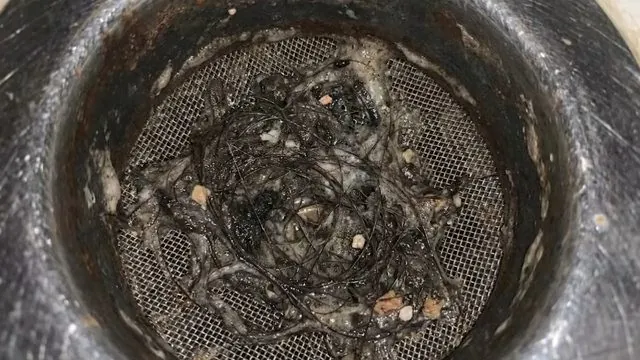
A tub or shower drain that empties slower than it used to is almost always hair and soap scum built up just past the trap, which a cable clears quickly. If it's paired with a sulfur smell or gurgling from a nearby toilet, that combination points further down the line, and we'll check the branch connection rather than just clear the visible clog.
Garbage disposal and drain clogs
A kitchen drain that clogs repeatedly right at the disposal connection is sometimes a disposal problem wearing the disguise of a drain problem. If cabling clears it but it's back within days, ask us to check the disposal's discharge connection while we're there — see our garbage disposal page if that turns out to be the actual cause.
When a clog isn't really a clog
Gurgling drains, slow draining across multiple fixtures at once, or a toilet that bubbles when the washing machine drains can point to a venting problem rather than a blockage. Plumbing vents let air into the drain system so water can flow freely; a blocked or undersized vent produces symptoms that look like a clog but won't clear with cabling alone. We'll flag this possibility on a repeat-symptom call rather than keep cabling a line that isn't actually obstructed.
DIY drain cleaners: why we don't recommend them
Chemical drain cleaners can damage older pipe materials, particularly aging galvanized or cast-iron lines common in Sandy's older housing stock, and they make a subsequent professional cleaning more hazardous since the residue can splash back during cabling. If a drain hasn't cleared after one reasonable attempt with a plunger, calling for a cable-and-camera visit is both safer for the pipe and usually faster than escalating through a series of chemical treatments that may not even address the actual cause.
Floor drains in garages and utility rooms
Floor drains see infrequent use compared to a kitchen or bathroom drain, which means their trap can dry out and let sewer gas odor into the room even without an actual clog. Pouring a cup of water down an unused floor drain every month or two keeps the trap sealed and is a simple habit that prevents a surprising number of "mystery smell" calls.