 Sandy UT Plumbing Experts
Home / Services / Gas Line Repair
Immediate 24/7, certified testing
Gas Line Repair & Leak Detection in Sandy, UT
A suspected gas leak gets the same priority as an active flood — certified pressure testing, emergency repair, and appliance hookups, all on one page.
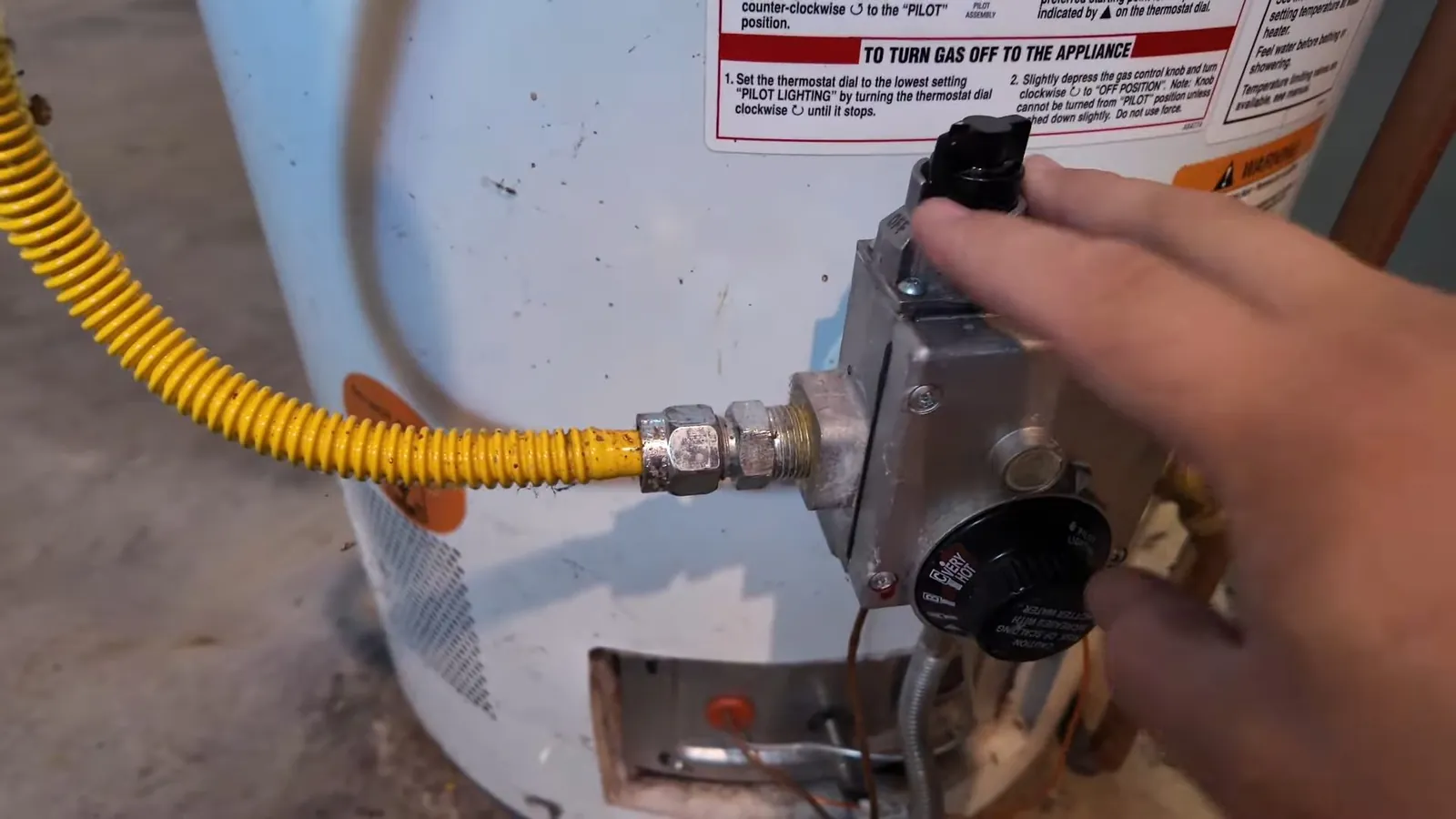
If you smell gas right now
- Leave the house immediately — don't flip light switches or light anything on your way out.
- Call us from outside, not from inside the building.
- If you can safely do so from outside, shut off the gas at the meter.
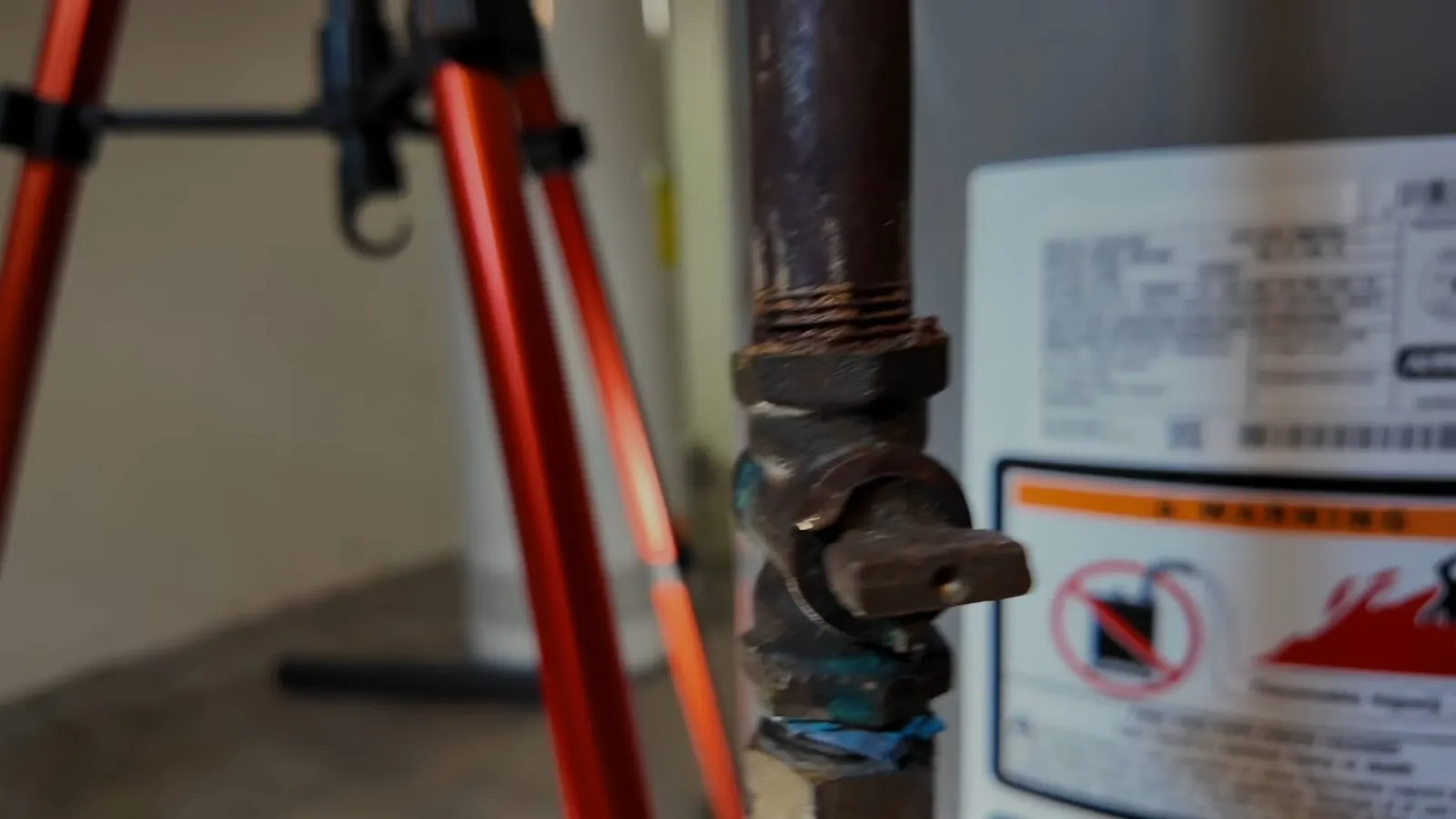
What this covers
- Gas leak detection: locating a leak at a fitting, line, or appliance connection using certified testing equipment.
- Gas line repair: fixing or replacing a damaged section once the leak is located.
- Pressure testing: confirming a line holds pressure correctly, often required after any gas work or before a sale.
- Appliance hookups: connecting ranges, dryers, and water heaters to an existing gas line safely and to code.
Suspected gas leak, or a new appliance hookup?
Call (385) 555-0103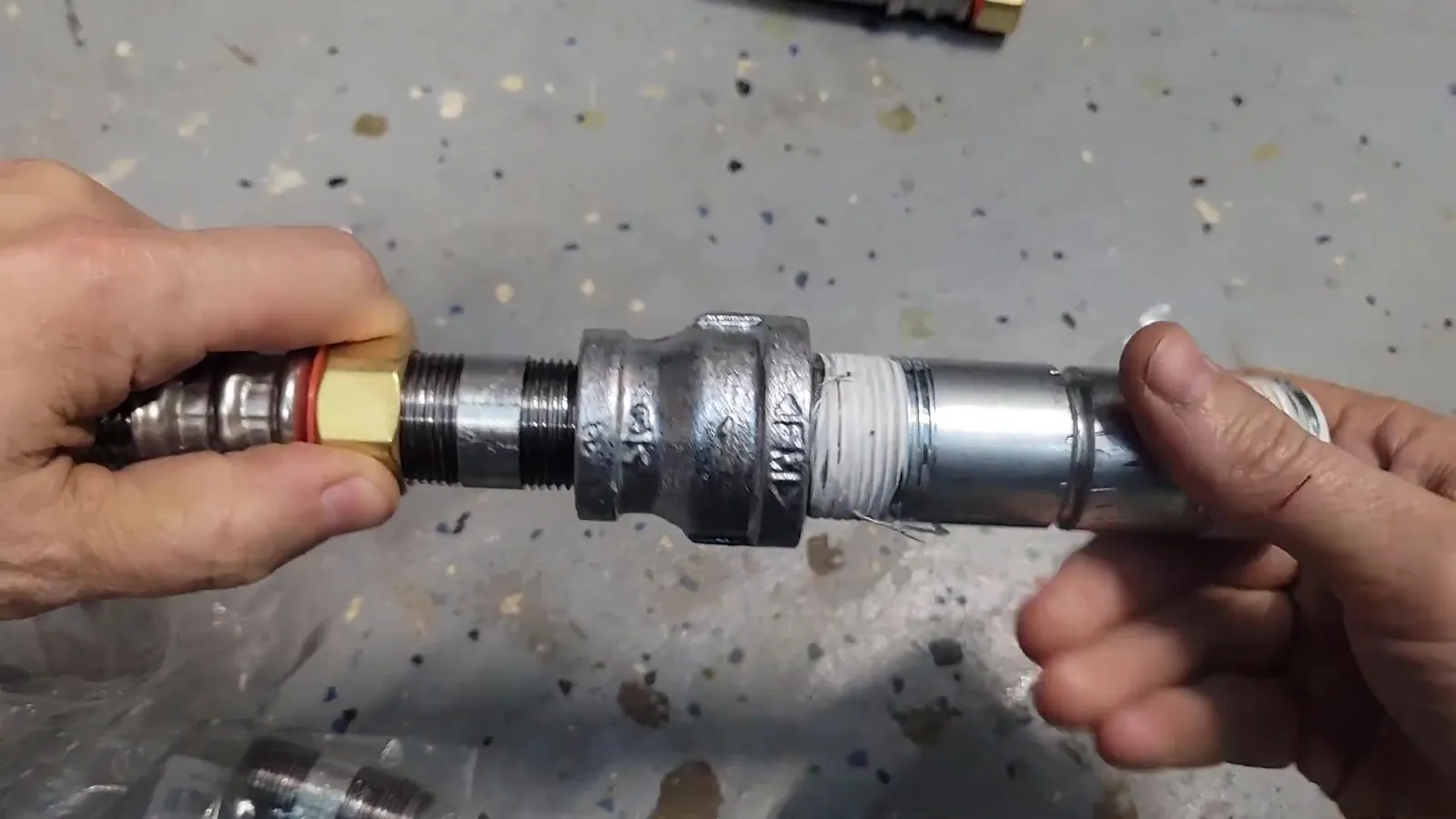
Signs worth checking even without an obvious smell
- A hissing sound near a gas appliance or meter.
- Houseplants or grass dying in one spot near a buried line, with no other explanation.
- A pilot light that won't stay lit even after cleaning and relighting.
- An unusually high gas bill with no change in usage habits.
Permits & inspection
New gas line extensions and most repairs in Sandy require a permit and inspection, particularly around pressure testing and proper venting at the appliance end. We schedule that as part of the job.
How a visit works
- 1. Immediate safety check: we confirm there's no active danger before diagnosing further.
- 2. Locate the leak or issue: certified detection equipment, not guesswork.
- 3. Quote the repair: you approve the scope before work starts.
- 4. Pressure test & sign-off: confirmed holding pressure before we leave.
What affects the cost
- Length of line affected: a single fitting repair costs less than a longer section replacement.
- Access: a buried line costs more to reach than one in a mechanical room.
- New appliance hookups: adding a line to a new location costs more than connecting to an existing stub.
See our cost page for wide price ranges.
Older homes and gas line condition
Homes built before Sandy's 1970s and 80s suburban growth sometimes still run on original black iron gas pipe, which is serviceable but worth a pressure test if you're adding a new appliance or haven't had one checked in years. Newer construction typically runs modern coated steel or approved flexible connectors, which hold up differently over time.
Why we treat this with the same urgency as a flood
A gas leak doesn't announce itself with visible damage the way a water leak does, which is exactly why it gets immediate dispatch rather than a scheduled visit. We'd rather send a crew out for a false alarm than have anyone wait on a real one.
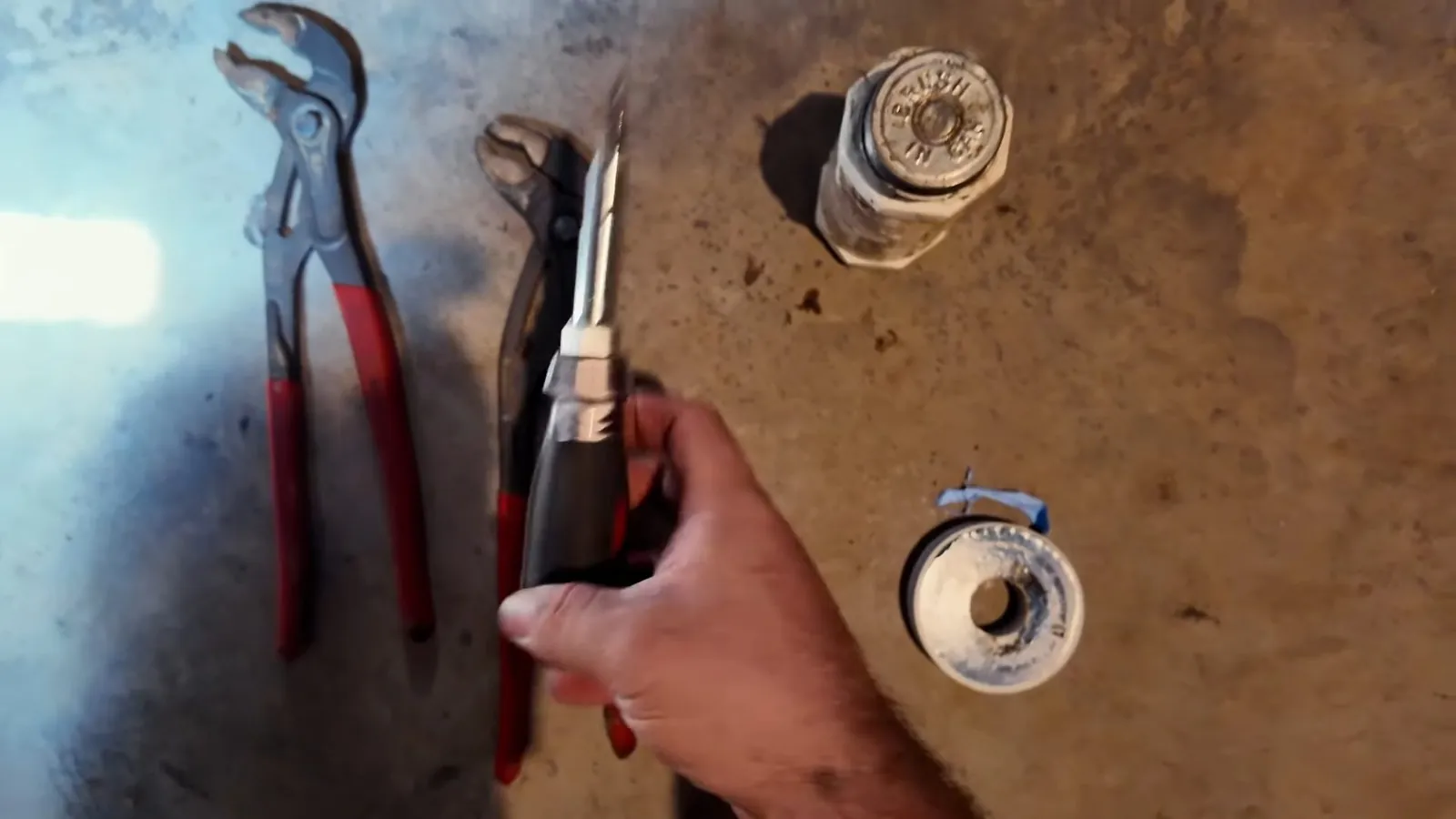
New appliance installs
Adding a gas range, dryer, or water heater to a home that previously ran all-electric usually means extending the line to a new location, not just connecting to an existing stub. We size the new run to the appliance's actual demand rather than guess at pipe diameter.
After the repair
Every gas repair gets a pressure test before we consider the job finished, confirming the line holds steady with no drop over time. We'll show you the reading rather than just tell you it passed.
Appliance hookups done right
A range or dryer connection needs the correct flexible connector rating and a proper shutoff valve within reach of the appliance, not buried behind it. We check both on every hookup, even a straightforward swap-in on an existing stub, since a wrong-rated connector is a hazard that won't show up until it fails.
Before you buy a new gas appliance
Confirm your existing line and meter can handle the new appliance's BTU demand before you purchase it, especially for a larger range or a tankless water heater that draws significantly more than a standard tank unit. We can check this for you ahead of the purchase rather than discover a sizing problem on install day.
Gas line materials: black iron versus CSST
Older Sandy homes typically run black iron pipe for gas lines, which is durable but harder to extend without threading new sections. Newer construction and many retrofits use CSST (corrugated stainless tubing), which is faster to route through finished walls but requires correct bonding and grounding to meet code. We work with both and will tell you which your home has before recommending an extension method.
Carbon monoxide: a related but separate risk
A gas leak and a carbon monoxide problem are different risks with different warning signs. Gas has the distinctive added odor; carbon monoxide is odorless and shows up as headaches, dizziness, or nausea that improve when you leave the house. If you have a CO detector sounding without a gas smell, that's still an emergency, but it points toward a venting or combustion issue on an appliance rather than a line leak, and we'll ask different questions on that call.
Pressure testing: what it actually checks
A pressure test involves pressurizing the gas line with air or inert gas and monitoring for any drop over a set period, which reveals leaks too small to smell or hear. This is standard practice after any new line work or extension, not an optional add-on, since a line that looks and smells fine on the surface can still have a pinhole leak at a fitting that only pressure testing reliably catches.
Yellow flame versus blue flame on appliances
A gas appliance burning with a yellow or orange flame instead of a crisp blue one is a sign of incomplete combustion, which can mean a ventilation problem, a dirty burner, or in some cases a sign the appliance itself needs service. It's worth mentioning to dispatch if you notice it, since it's a different issue than a line leak but still worth addressing for both safety and appliance efficiency.
Outdoor gas lines for grills and fire features
Running a dedicated gas line to an outdoor grill, fire pit, or patio heater is a common request alongside indoor repair work, and it follows the same pressure-testing and permitting requirements as an indoor extension. We size these lines for the specific appliance's BTU draw rather than assuming a standard connection will work for every outdoor fixture.