 Sandy UT Plumbing Experts
Home / Services / Hydro Jetting
4,000 PSI specialist service
Hydro Jetting Services in Sandy, UT
High-pressure water scours the full inside of a pipe clean, not just a path through the clog — the right call for grease, scale, and root buildup a standard snake can't touch.
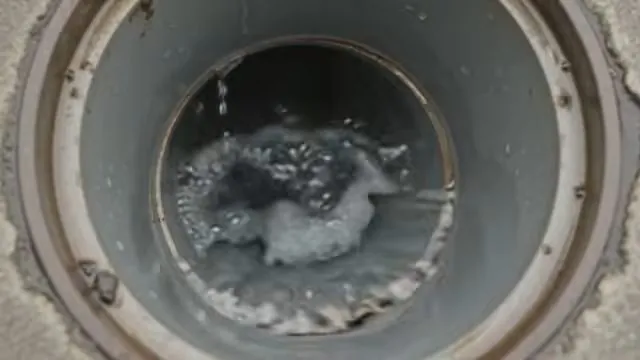
What hydro jetting actually does
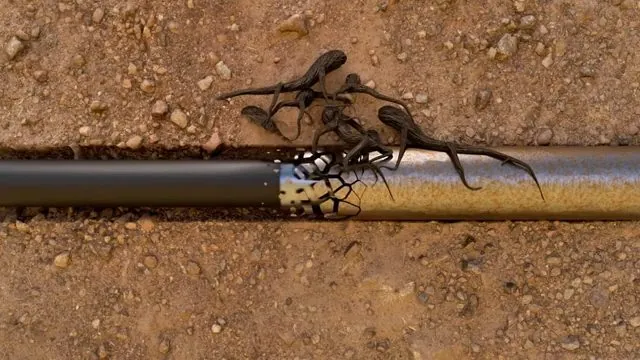
A drain snake punches a path through a blockage. A jetting hose sends water at up to 4,000 PSI through a rotating nozzle that scours the entire inside diameter of the pipe, stripping grease, mineral scale, and root hair off the pipe wall instead of just clearing a channel through it. That's the difference between a pipe that's temporarily passable and one that's actually clean.
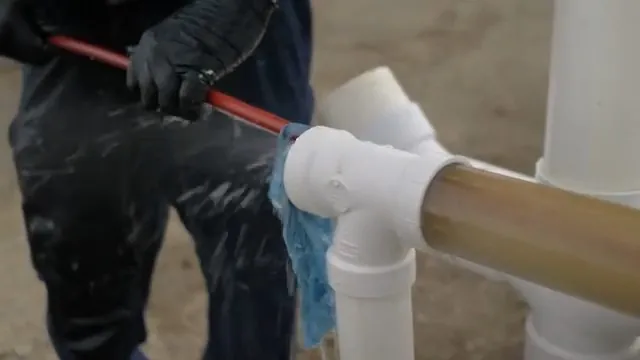
Grease buildup in kitchen lines
Cooking grease cools and hardens inside a drain line the way it does in a cold pan, narrowing the pipe a little more with every wash cycle until flow slows to a trickle. A snake can punch through the center of that buildup without removing the rest, which is why the same kitchen line often clogs again within weeks — jetting strips the full buildup instead.
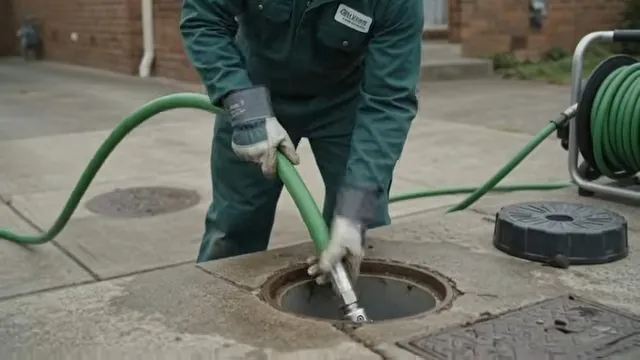
Slow drains that keep coming back after snaking?
Call (385) 555-0103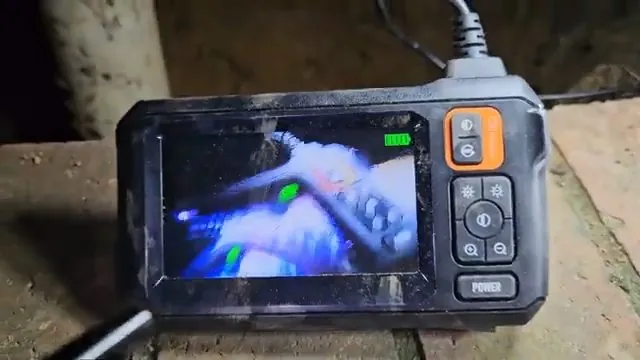
Root intrusion in older sewer laterals
Tree roots find their way into a sewer lateral through small cracks or joints and spread into a web that a snake's blade can nick but not fully clear. Jetting's rotating nozzle shears root mass off the pipe wall across its full circumference, which holds up longer against regrowth than a cable alone.
When jetting is the right call, and when it isn't
- Good fit: repeat clogs in the same line, grease-heavy kitchen or commercial drains, root intrusion, or a line that needs a genuine clean-out rather than a quick clear.
- Not the right tool: a pipe already compromised by cracks or corrosion, where high pressure can worsen an existing weak point — camera inspection first tells us which situation we're in.
How a jetting visit works
- 1. Camera inspection first: confirms the pipe can safely handle jetting pressure.
- 2. Jetting pass: full pipe wall scoured clean, not just a path cleared.
- 3. Camera inspection after: confirms the result rather than taking it on faith.
- 4. Recommendations: any pipe condition issue found along the way gets flagged.
What affects the cost
- Line length & access: a longer run or a hard-to-reach cleanout adds time.
- Severity of buildup: heavy grease or root intrusion takes longer than routine maintenance jetting.
- Residential vs. commercial: commercial kitchen lines often need more frequent, larger-scale jetting.
See our cost page for wide price ranges.
Camera inspection before and after
We don't jet blind. A quick camera pass before confirms the pipe material and condition can handle the pressure, and a pass after confirms the line actually came clean rather than just flowing better temporarily.
Commercial kitchen & restaurant lines
A restaurant's grease trap and kitchen drain lines build up faster than a residential kitchen and often need scheduled jetting on a maintenance cycle rather than only when a clog actually happens. We can set up a recurring schedule so the line stays ahead of the buildup instead of catching up after a slow-down call.
How often jetting is needed
A line with a one-time grease or root event may not need jetting again for years once it's properly cleaned. A commercial kitchen or a lateral with an active root source nearby may need it on a 6 to 12 month cycle to stay ahead of regrowth and buildup — we'll give you a realistic interval based on what we find, not a one-size answer.
Preparing for a jetting visit
There's little you need to do beforehand beyond clearing access to the main cleanout, usually located outside near the foundation or in a basement utility area. If you're not sure where yours is, we'll locate it on arrival rather than ask you to search for it ahead of time.
Older clay and cast-iron lines
Homes near Sandy's historic core sometimes still run on original clay tile or cast-iron sewer laterals, which can be more brittle than modern PVC. We check pipe material and condition through the camera pass before jetting, since the pressure that safely cleans a sound PVC line can be too aggressive for a deteriorated clay joint.
Jetting pressure: how it's calibrated
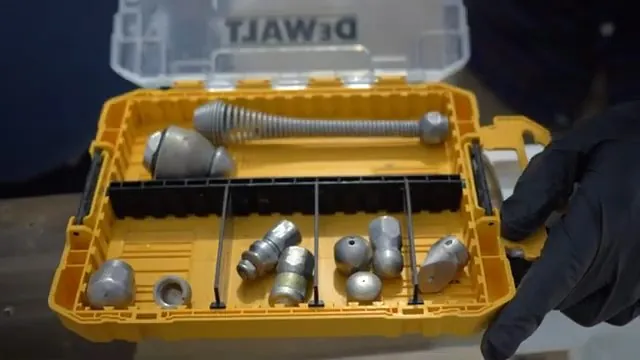
Jetting pressure isn't one-size-fits-all — older clay or cast-iron lines get a lower pressure setting than newer PVC to avoid stressing an already-compromised pipe, while heavy grease buildup in a commercial line can call for higher pressure and a different nozzle. We calibrate based on the camera inspection that comes first, not a default setting, which is part of why jetting on an unknown line always starts with a look inside.
What jetting can't fix
Jetting clears buildup and debris, but it doesn't repair a cracked, bellied, or structurally failed pipe — in fact, jetting a compromised line can make a bad spot worse. If the camera inspection shows structural damage rather than buildup, we'll recommend sewer line repair or trenchless lining instead of jetting a pipe that needs a different fix.
Jetting versus snaking: the real difference
A cable or snake punches a channel through a clog, clearing the immediate blockage but often leaving buildup on the pipe walls around that channel. Jetting uses high-pressure water to scour the full interior diameter of the pipe, removing buildup along the entire length rather than just opening a path through it. That's why a line that keeps re-clogging on the same schedule after repeated cabling is often a better candidate for jetting instead.
Equipment access requirements
Jetting equipment needs a cleanout access point to feed the hose into the line, and homes without an accessible cleanout sometimes need one installed before jetting is possible. We check for existing access during the initial camera inspection and will tell you up front if a cleanout needs to be added as part of the job.
Noise and disruption during a jetting visit
Jetting equipment runs louder than a standard cable machine, since it's pumping water at high pressure through a hose and nozzle system. It's not disruptive enough to require leaving the house, but homeowners sometimes ask about it beforehand, so we mention it upfront rather than have it be an unexpected surprise mid-visit.