 Sandy UT Plumbing Experts
Home / Services / Sewer Line Repair
Camera-verified, high-ticket emergency
Sewer Line Repair & Replacement in Sandy, UT
A camera inspection first, so you know exactly what's wrong with the main line before anything gets dug up.
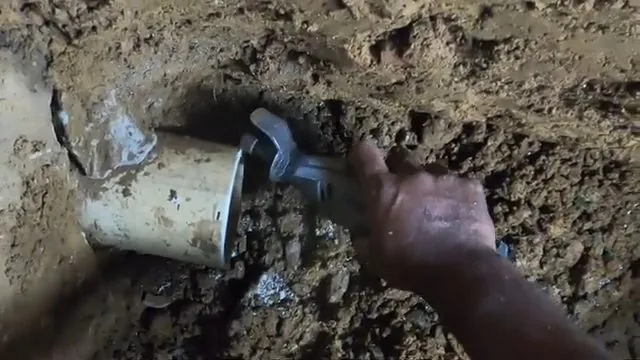
Signs the main line is involved, not just one drain
- More than one fixture backs up at the same time, especially the lowest drain in the house.
- A soggy or unusually green patch of lawn tracking the lateral's path.
- A sewer smell outside near a cleanout, especially after rain or snowmelt.
- A clog that clears with cabling but returns within weeks.
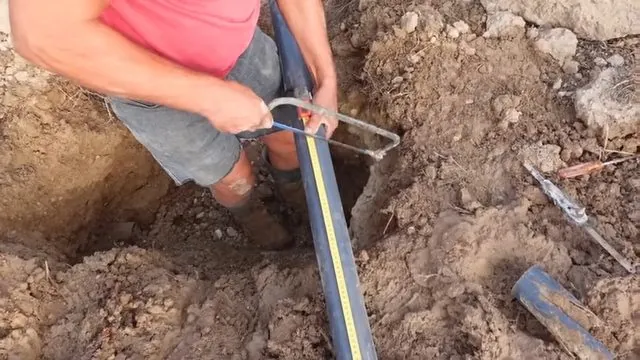
What this page covers
- Sewer camera inspection: pinpointing the exact problem before we recommend a fix.
- Main sewer line cleaning & snaking: clearing root intrusion or buildup in the main line itself, not a single branch.
- Sewer lateral repair: spot repair or full replacement of the pipe connecting your home to the city main.
- Industrial & commercial sewer lines: larger-diameter lines serving commercial and light-industrial buildings.
Repeat backups or a sewer smell outside?
Call (385) 555-0103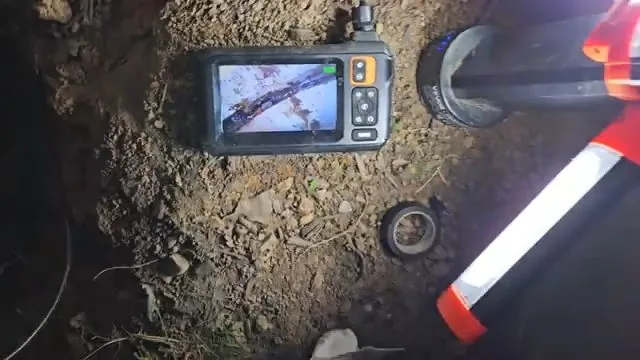
Sandy's historic core carries some of the city's oldest laterals, original clay or early cast iron from its 1870s founding. Sandy's bench ground is alluvial cobble and gravel, which settles less evenly than deep clay soil — that uneven settling is a common cause of a "bellied" low spot that pools water and can't be fixed by cabling alone.
Spot repair versus full replacement
- Spot repair: one bad joint or a short cracked section, dug out and replaced without touching the rest of the line.
- Full replacement: needed when the line is bellied across a longer run or has multiple failure points.
Cobble ground moves slower to excavate and needs careful bedding and backfill to avoid a repeat settlement problem right over the new pipe. Sandy's own building/public-works permit and inspection typically applies to this work, especially where it crosses a city right-of-way — we handle that scheduling as part of the job.
Industrial & commercial sewer lines
Larger-diameter lines serving commercial and light-industrial buildings fail under the same causes — root intrusion, scale, ground settlement — but need larger equipment and often after-hours scheduling to avoid disrupting a business.
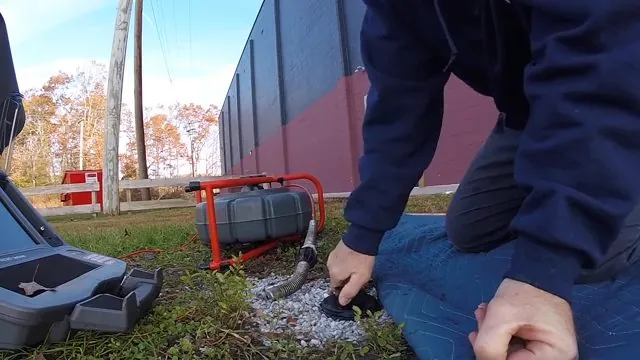
How a repair visit works
- 1. Camera inspection: we locate and confirm the actual problem first.
- 2. Explain the options: spot repair, full replacement, or trenchless, with the trade-offs of each.
- 3. Quote before digging: you approve the scope and price before excavation starts.
- 4. Permit & inspection: we schedule the required city inspection as part of the job.
What affects the cost
- Length & depth: a longer or deeper lateral costs more to excavate than a short, shallow run.
- Access: a line under a driveway or mature landscaping costs more to reach than open yard.
- Pipe material & condition: a single cracked joint is a smaller job than a fully bellied or collapsed section.
See our cost page for wide price ranges.
After the repair
- We hand over the camera footage and a plain summary of what was found and fixed.
- For a spot repair, we flag whether the rest of the line showed early signs of the same issue, so you know what to watch for.
- For a full replacement, the new section typically comes with a materials-and-workmanship warranty, which we'll detail in writing.
Keeping it from happening again
Once a lateral is repaired or relined, the most useful long-term step is a scheduled camera check every few years, especially on a line already shown to have root intrusion nearby. It costs far less than a repeat excavation and tells us early if a repaired section is holding up.
If you're not sure which problem you have
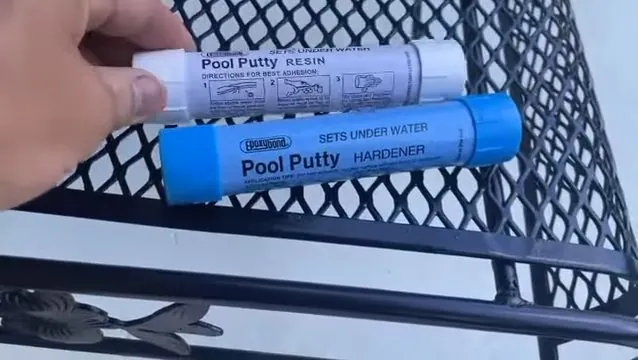
A slow-draining main, an occasional gurgle, or a sewer smell that comes and goes can look like several different problems from the house side. A camera inspection on the phone-scheduled visit settles it either way, and if it turns out to be a drain-level clog rather than the main line, we'll say so and charge for the smaller job instead.
Tree roots: the most common cause in Sandy
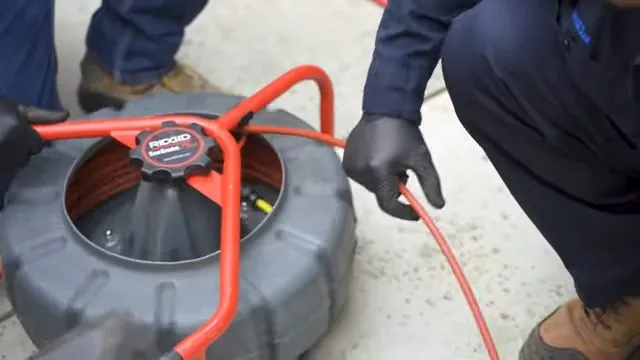
Mature trees near older sections of Sandy have had decades to find their way into clay or cast-iron sewer joints, and root intrusion is the single most common reason we're called out for a main-line repair here rather than a simple clog. Roots enter through a small joint gap seeking moisture, then widen the crack as they grow, which is why a line that cleared fine last year can need an actual repair this year.
Sewer line age and material: what we find
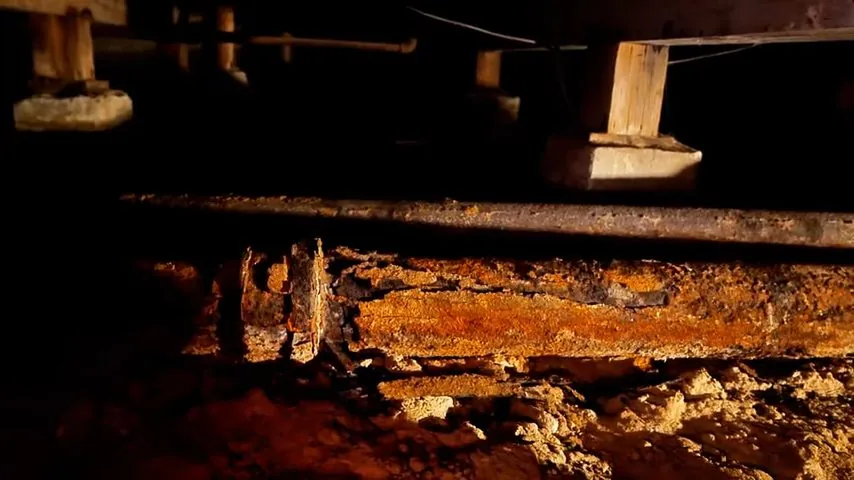
- Clay (common in older sections): prone to joint separation and root intrusion over decades.
- Cast iron: corrodes from the inside, narrowing the usable diameter over time.
- PVC (newer construction): far more resistant to both roots and corrosion.
Knowing the material helps us recommend spot repair, a full replacement, or trenchless lining with more confidence before we're even on site.
Belly in the line: what it means
A "belly" is a low spot in the sewer line, usually from ground settling over time, where the pipe sags and waste collects instead of flowing downhill to the main. A camera inspection shows this clearly as standing water in an otherwise clear line, and it's one of the more common reasons a line keeps clogging in the same spot no matter how often it's cleared. A belly can't be cabled away; it needs either a localized dig-and-replace or, depending on severity, a full section replacement.
Sewer smell without an obvious backup
A sewer odor inside or around the house without any visible backup often points to a cracked line venting gas into the soil, or a dried-out trap somewhere in the system rather than an active clog. It's worth a camera inspection even without a backup, since catching a crack before it becomes a full backup is generally a smaller, less disruptive repair.