 Sandy UT Plumbing Experts
Home / Services / Slab Leak Detection & Repair
Immediate, non-destructive detection
Slab Leak Detection & Repair in Sandy, UT
A leak under the concrete slab gets found with acoustic and thermal detection before any concrete is touched, then repaired directly or rerouted around it.
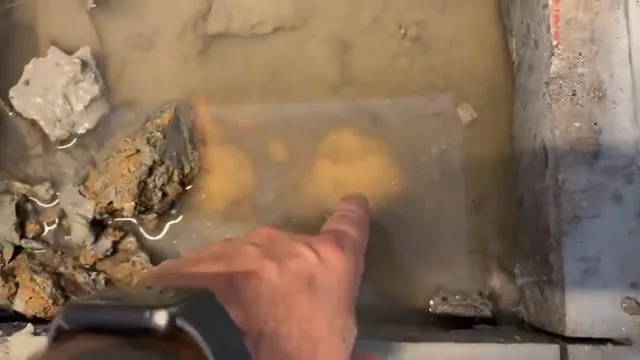
How a slab leak shows up
- A warm spot on the floor with no obvious source, if the leak is on the hot water line.
- A hissing sound audible from the floor when everything else in the house is quiet.
- A water bill that's climbed without any change in usage habits.
- Damp carpet or flooring near an interior wall with no plumbing fixture nearby.
- Cracks appearing in the slab or nearby walls as water erodes the soil beneath the foundation.
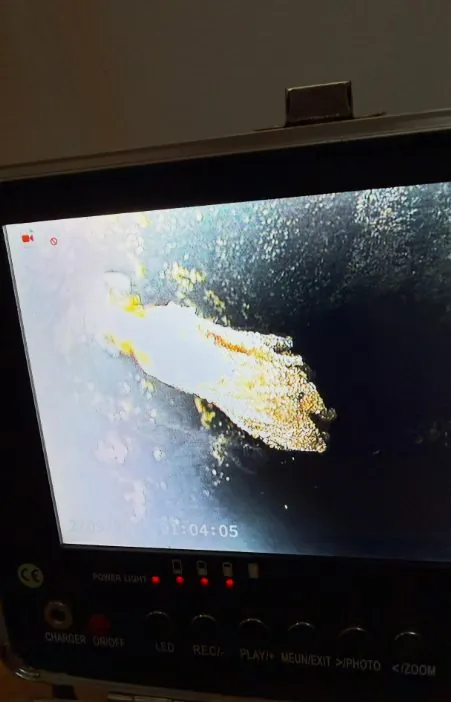
Acoustic & thermal leak detection
Acoustic equipment listens for the specific sound water makes escaping a pressurized line underground, which pinpoints a location without breaking concrete to search for it. Thermal imaging adds a second data point when the leak is on a hot water line, since it's visible as a warm patch on the floor surface. We use both together rather than guess from symptoms alone.
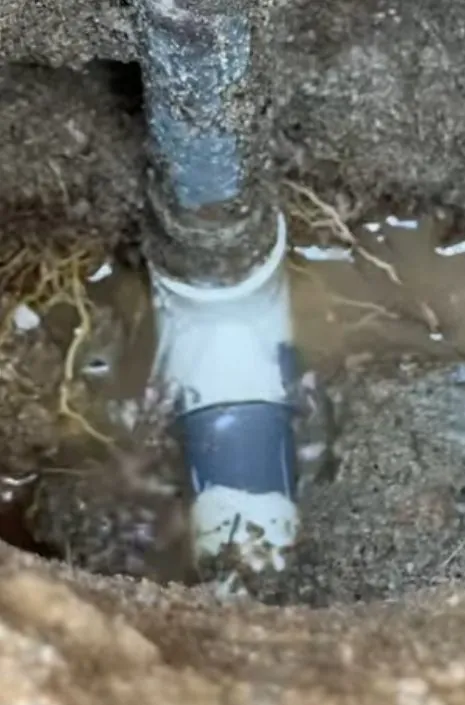
Warm floor spot, hissing sound, or a spiking water bill?
Call (385) 555-0103
Why Sandy's soil and older slabs matter here
The Salt Lake Valley's clay-heavy soil expands and contracts with seasonal moisture changes more than sandier soil does, which puts uneven stress on a slab and the pipes beneath it over time. Homes built on post-tension slabs, common in newer Sandy construction, need extra care during any repair since cutting in the wrong spot can damage the tensioning cables — we locate those before any concrete work starts.
Direct repair vs. trenchless reroute
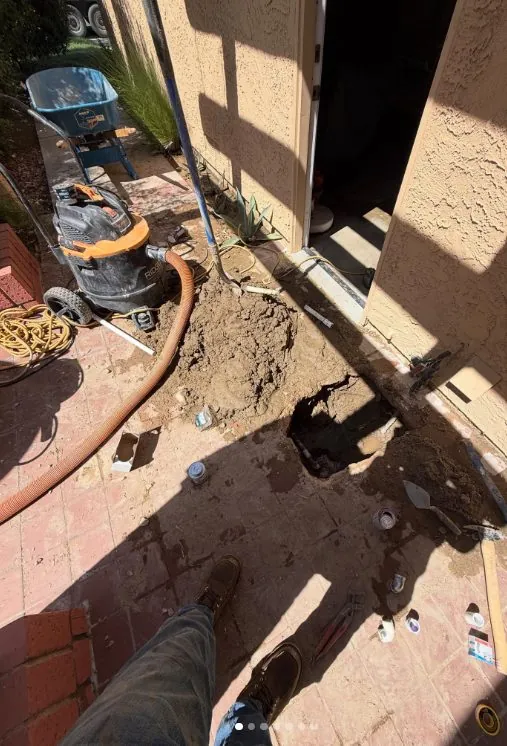
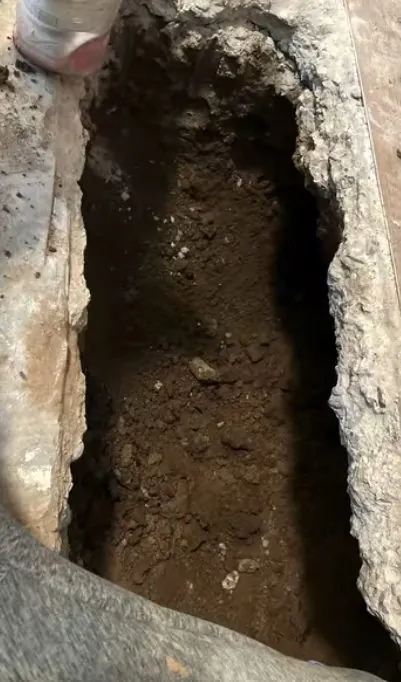
A single, accessible leak can often be repaired directly through a small, targeted opening in the slab. A leak in a harder-to-reach spot, or a line showing multiple failure points, is often better solved by rerouting the pipe overhead or through a trenchless path instead of repeatedly opening the slab — the same no-dig method covered in more technical depth on our Trenchless Pipe Lining & Relining page.
How a detection visit works
- 1. Acoustic & thermal detection: pinpoints the leak without exploratory demolition.
- 2. Discuss repair options: direct repair versus reroute, with the trade-offs explained.
- 3. Quote before cutting: you approve the scope before any concrete is opened.
- 4. Repair & pressure test: confirmed fixed before the opening is patched.
What affects the cost
- Direct repair vs. reroute: rerouting avoids concrete work but changes the pipe path and labor involved.
- Slab construction type: post-tension slabs need extra care and locating work before any cutting.
- Leak location & access: a leak under a hallway is more accessible than one under load-bearing framing.
See our cost page for wide price ranges.
Insurance claims on slab leaks
Many homeowner's policies cover sudden slab leak damage, though coverage specifics vary by policy and insurer. We provide detailed documentation of what we find and the repair performed, which can support a claim, though the coverage decision itself is between you and your insurance company.
Why acting fast matters
A slab leak that sits undetected doesn't just waste water. Continued water under a foundation can erode supporting soil and worsen structural stress over time, which is a different and more expensive problem than the leak itself. Catching it early, before cracks appear in the slab or walls, keeps the repair a plumbing job rather than a foundation job.
Repairing the flooring afterward
A direct repair through the slab means patching the concrete and, depending on the room, replacing tile, carpet, or flooring over the opened section. We'll be upfront about what flooring work is and isn't included in our scope before the job starts, since matching an existing tile or flooring material is sometimes a separate trade.
Commercial & multi-unit slab leaks
A slab leak under a commercial space or shared multi-unit building often needs faster diagnosis to limit disruption to tenants or business operations, and may call for an after-hours detection visit to avoid closing a space during business hours. The same acoustic and thermal detection method applies regardless of building type.
Hot water versus cold water line leaks
A hot water line leak under the slab often shows up faster, since the warm spot on the floor is a clear tell that something's wrong well before a water bill spike would catch it. A cold line leak is quieter — often caught first through a rising water bill or the sound of running water with every tap closed, since there's no temperature cue to notice. Both get found the same way, with acoustic or thermal detection, but the hot-line version usually gets reported to us sooner.
Signs the leak has been active for a while
- Visible cracking in the slab or nearby baseboards, not just a damp spot.
- Mineral staining or efflorescence where water has been wicking to the surface.
- A musty smell developing in the affected room, pointing to sustained moisture rather than a recent leak.
Post-tension slab considerations
Homes built with post-tension concrete slabs, which use steel cables under tension embedded in the concrete for structural strength, require extra care during any repair that involves breaking into the slab, since cutting the wrong spot can damage a tensioned cable. We identify whether a home has a post-tension slab before recommending a direct breakout repair, and it's often part of why an overhead PEX reroute is the safer and sometimes required option on these homes.
Multiple leak points
A slab with one confirmed leak sometimes has a second developing nearby, since the same underlying conditions, aging pipe material, soil movement, or original installation quality, that caused the first leak often affect a similar stretch of pipe. We check adjacent runs during a detection visit rather than stopping the search the moment the first leak is confirmed.
Why DIY leak detection tools fall short
Consumer-grade leak detection devices can flag that water is moving somewhere in the house, but they generally can't pinpoint depth or exact location the way professional acoustic and thermal equipment can, especially under a concrete slab. A false positive or a vague "somewhere in this room" result often leads to unnecessary exploratory digging, which is exactly what professional-grade detection is meant to avoid.