 Sandy UT Plumbing Experts
Home / Services / Toilet Repair
Same-day, all toilet issues
Toilet Repair & Installation in Sandy, UT
A running toilet, a clog that won't clear, or a full replacement — one visit covers it, including the clog itself rather than routing you to a separate drain call.
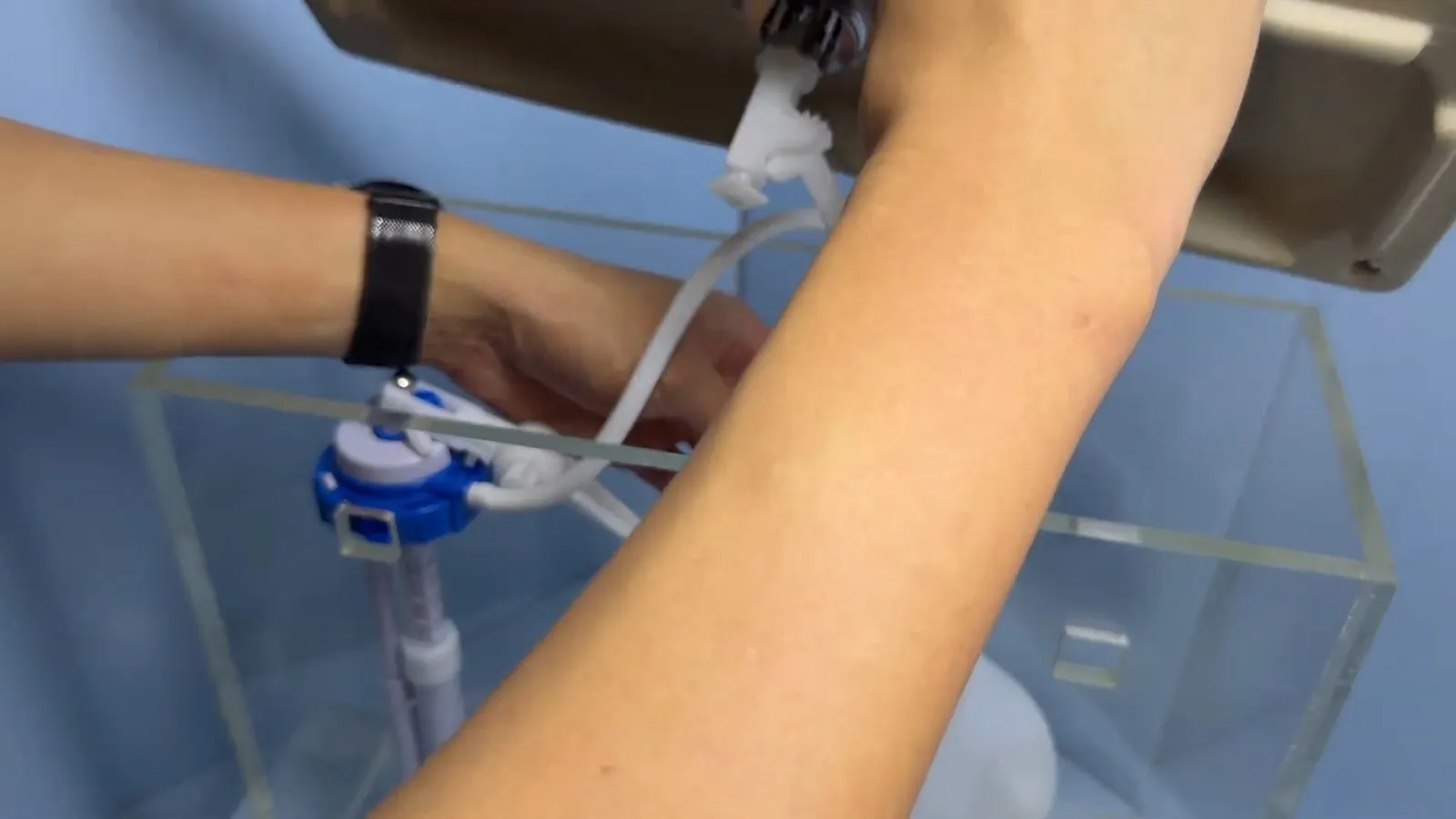
Running toilet & silent leaks
- Phantom flushing (the tank refills on its own with no one touching it) is almost always a worn flapper letting water leak into the bowl.
- A faint hiss after the tank fills usually points to a fill valve that isn't seating, not the flapper.
- A silent leak you can't hear still shows up on your water bill — a few drops of food color in the tank will reveal it in the bowl within 15 minutes if the flapper is leaking.
A running toilet left unfixed can waste hundreds of gallons a day, and it's usually a flapper or fill-valve swap, not a bigger repair.
Clogged toilets
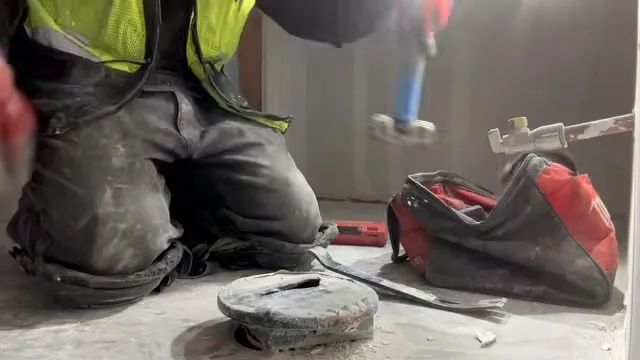
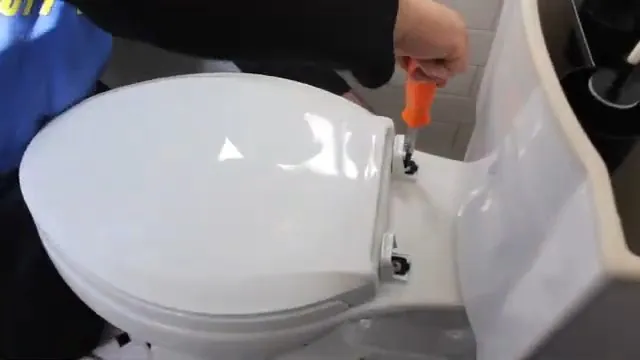
A toilet that won't clear with a plunger gets a closet auger, which reaches past the trap without scratching the bowl. If it clogs repeatedly on the same toilet, that can mean a partial blockage further down the branch line, which we'll check rather than auger the same spot again.
Running, leaking, or clogged toilet?
Call (385) 555-0103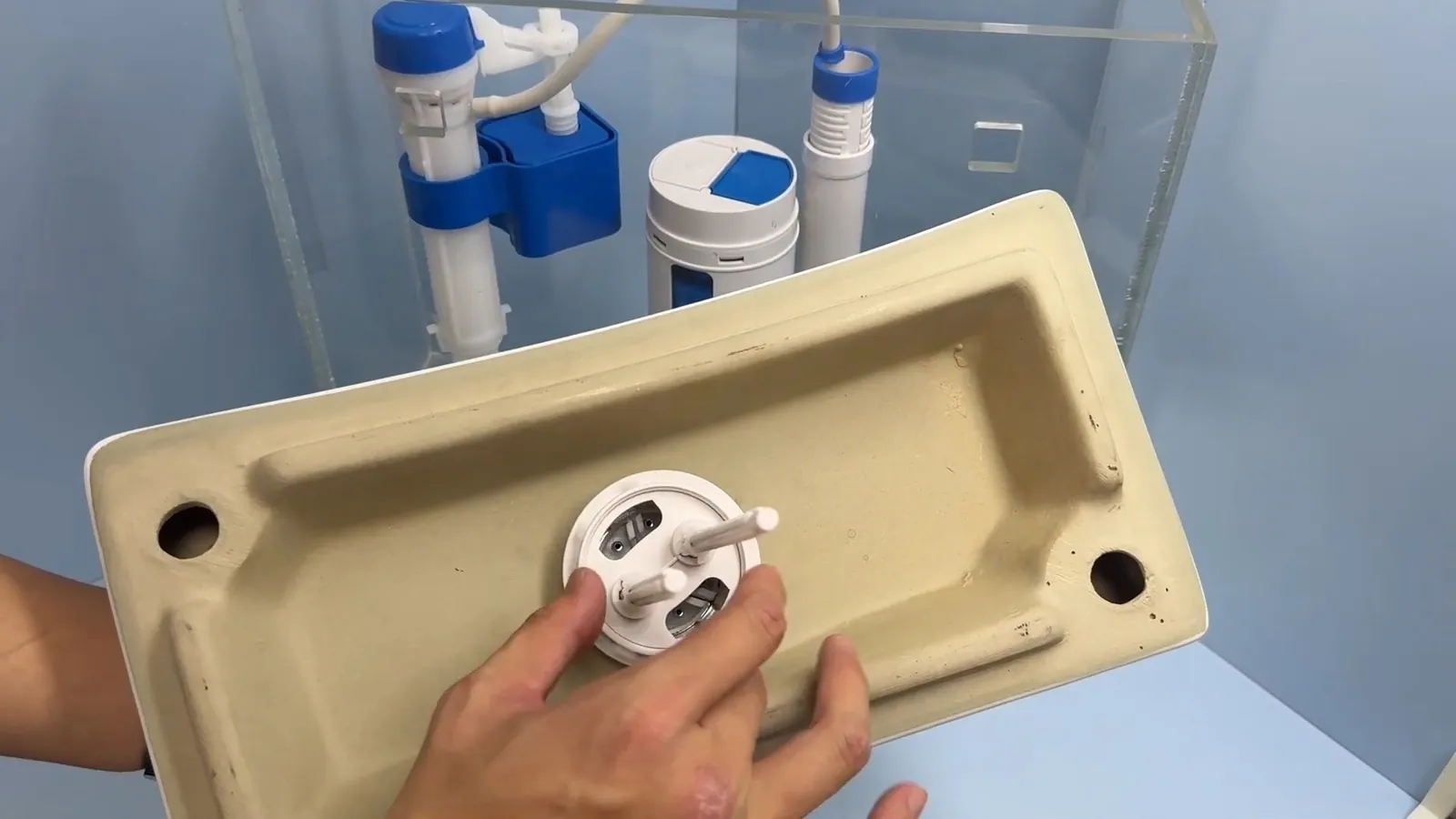
Installation & relocation
- Straight replacement: wax ring, bolts, and supply line swapped as part of the install.
- High-efficiency upgrades: dual-flush and low-flow models that cut water use without sacrificing performance.
- Relocation: moving a toilet to a new spot during a remodel, which means rerouting the drain and supply line, not just resetting the fixture.
Tank & fixture repair
- Wobbly or loose toilets, usually a worn wax ring or loose closet bolts.
- Cracked tanks or bowls, which need full replacement rather than a patch.
- Handle and trip-lever issues that keep the flapper from seating properly.
What affects the cost
- Repair vs. replacement: a flapper or fill valve swap is a small job; a full install is larger.
- Relocation work: moving supply and drain lines costs more than a straight swap.
- Fixture tier: a standard model installs faster than a high-efficiency or specialty unit.
See our cost page for wide price ranges.
How a visit works
- 1. Describe the issue: running, clogged, leaking, or a planned replacement.
- 2. Diagnose on site: flapper, fill valve, wax ring, or the fixture itself.
- 3. Quote before fixing: you approve the repair or install cost first.
- 4. Test the fix: full flush cycle checked before we leave.
Hard water and toilet parts
Sandy's water tests at 9.1 grains per gallon, which shortens the working life of rubber flappers and fill-valve seals faster than it would on soft water. If your toilet needs a flapper replacement more often than every couple of years, that's a hard-water pattern, not a defective part.
Older toilets near Sandy's historic core
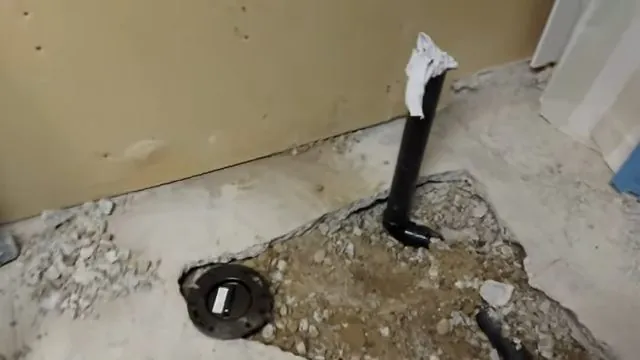
Homes built before the 1970s suburban boom sometimes still have original cast-iron closet flanges or older rough-in spacing that doesn't match a modern toilet's standard footprint. We check the flange and rough-in distance before ordering a replacement, so the new fixture actually fits without an extension kit discovered mid-install.
Commercial & multi-fixture properties
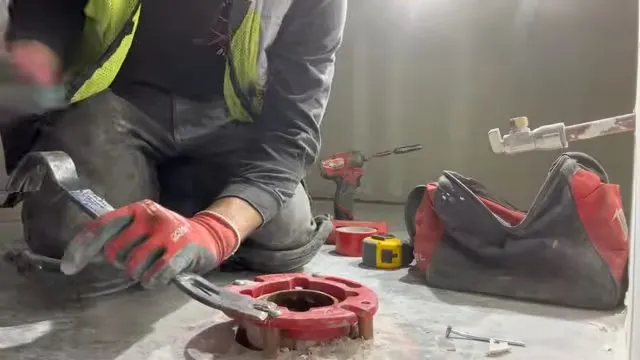
Rental properties and small commercial buildings with several toilets on one visit get a faster per-fixture rate than a single emergency call, and we can flag any fixtures showing early wear so you're not calling us back next month for the one next door.
Choosing a replacement toilet
- Standard two-piece: the most common, easiest to service down the road.
- One-piece: fewer seams to collect grime, slightly higher upfront cost.
- Dual-flush: two flush volumes to cut water use on liquid-only flushes.
We'll talk through which fits your bathroom's rough-in and your water-use priorities rather than default to one option.
After the install
We check that the toilet sits level and doesn't rock, that the supply line connection is dry under load, and that the flush performs consistently before we consider the job done. A toilet that wobbles even slightly after install usually means the wax ring wasn't seated correctly, and we'll catch that on site rather than leave it for you to notice later.
Low-flow versus older toilets
Toilets installed before the mid-1990s often use far more water per flush than current models, and they also tend to use parts and fill valve designs that are harder to source for repair. If you're weighing a repair against a replacement on an older unit, the water savings from a newer low-flow model usually pays back the difference over a few years, separate from whatever immediate issue prompted the call.
Multiple toilets, one house: troubleshooting
If more than one toilet in the house is acting up at the same time, the cause is less likely to be each toilet's individual parts and more likely a shared issue: water pressure, a main shutoff that isn't fully open, or in rarer cases a venting problem affecting the whole stack. We'll ask about this pattern on the phone, since it changes where we start looking once we're on site.
Wax ring versus wax-free seals
The seal between a toilet's base and the drain flange is a common source of a slow leak at the floor that's easy to miss until it's caused real damage to the subfloor underneath. Traditional wax rings have worked for decades, but wax-free foam or rubber gasket seals are increasingly common on reinstalls since they tolerate a toilet being removed and reset more than once without needing a fresh seal each time, which matters on flooring projects where the toilet comes off temporarily.
Flushing performance complaints
A toilet that needs two flushes to clear, or doesn't fully clear the bowl, is sometimes a flapper or fill-valve adjustment issue, but it's also sometimes a partial clog further down the trapway that a plunger alone won't reach. We check both on a flushing-performance call rather than assuming it's a simple parts fix, since treating the wrong cause means the complaint just comes back.
Toilet bolts and base movement
A toilet that rocks slightly at the base isn't always a wax seal problem — sometimes it's simply loose closet bolts that have worked their way free over years of use. Tightening them is a quick fix, but overtightening can crack the porcelain base, which is why this is worth having a technician check rather than cranking down on it yourself with a wrench.