 Sandy UT Plumbing Experts
Home / Services / Trenchless Pipe Lining
No-dig CIPP method
Trenchless Pipe Lining & Relining in Sandy, UT
An epoxy sleeve cured in place inside the existing pipe, restoring a damaged sewer line or rerouting a slab leak without tearing up the yard or the floor.
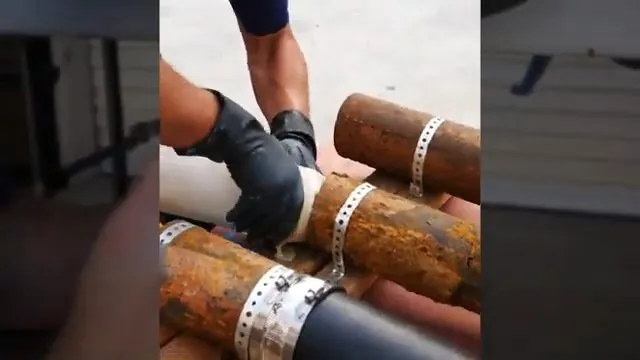
What CIPP relining is
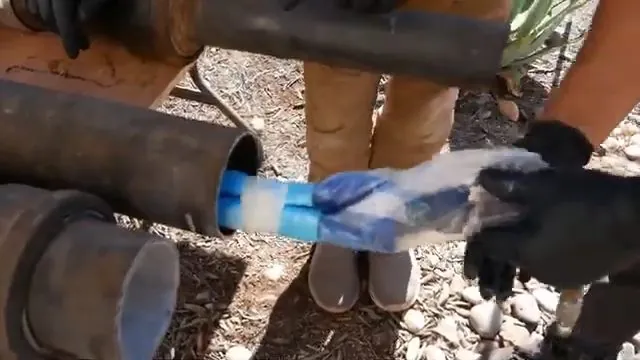
A resin-saturated liner is pulled or inverted into the existing damaged pipe, inflated against the pipe wall, and cured in place, creating a new, smooth pipe inside the old one. No digging is needed along the pipe's run, just access at each end, which is why it's called trenchless.
Trenchless vs. open-trench: how we decide
- Trenchless fits when the pipe's basic alignment is still sound and the damage is cracking, root intrusion, or general deterioration along its length.
- Open-trench is still the right call when the pipe has collapsed, shifted out of alignment, or the diameter needs to change — a liner can't fix a pipe that's no longer where it should be.
- Camera inspection is what actually decides this, not a preference for one method over the other.
Don't want your yard or driveway torn up?
Call (385) 555-0103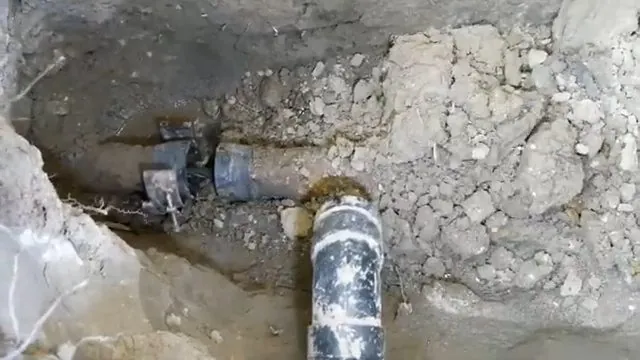
When a sewer line qualifies for lining
A sewer lateral with cracks, small root intrusions, or general wear found during a camera inspection is usually a strong candidate for relining rather than full replacement. A camera inspection on our Sewer Line Repair page is typically the first step that determines whether lining applies to your situation.
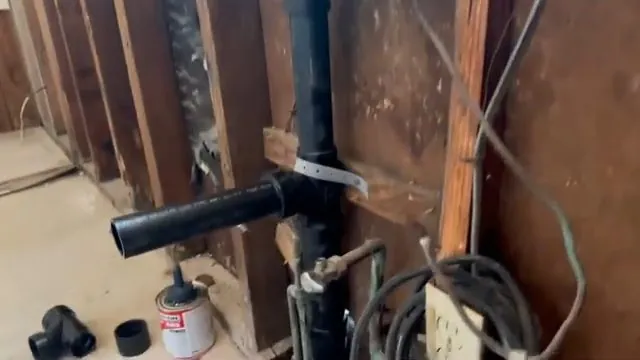
Trenchless rerouting for a slab leak
When a leak is under a concrete slab, rerouting the line overhead or through a trenchless path can avoid breaking through the slab entirely. This is the same no-dig method applied to a different problem, and it's covered in more depth on our Slab Leak Detection & Repair page since the decision point there involves the slab condition itself, not just the pipe.
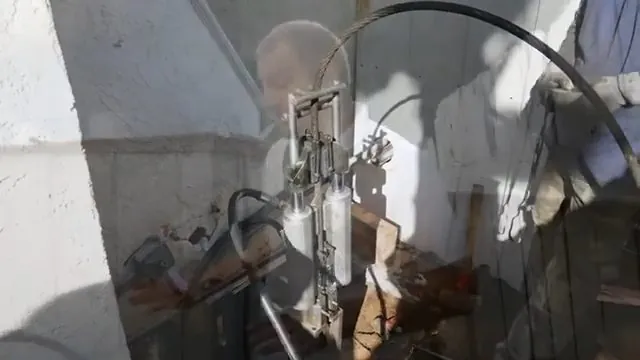
How a lining project works
- 1. Camera inspection: confirms the pipe is a good candidate for lining.
- 2. Clean the pipe: jetting or mechanical cleaning prepares the interior surface.
- 3. Insert & cure the liner: the epoxy sleeve is set and cured in place.
- 4. Final camera pass: confirms the new interior surface before we call it done.
What affects the cost
- Pipe length & diameter: a longer run of liner material costs more.
- Access points needed: how many entry points the project requires.
- Pipe condition going in: heavier cleaning before lining adds labor.
See our cost page for wide price ranges.
Landscaping, driveways, and hardscaping
Because the work happens inside the existing pipe, mature trees, paver patios, and driveways above the line stay untouched, which matters most on established, landscaped properties where open-trench excavation would mean months of regrowth or expensive hardscape repair afterward.
Permits & inspection
Trenchless sewer relining in Sandy still requires a permit and inspection, the same as traditional sewer repair, even though no trench is dug. We handle that scheduling as part of the project.
How long a liner lasts
A properly installed epoxy liner is rated for multiple decades of service, comparable to a new pipe, provided the original camera inspection correctly identified it as a good candidate. That's why we don't skip the inspection step even when a homeower is confident lining is the right call — the pipe's actual condition decides it.
What affects the timeline
- Curing time: the liner needs to fully cure in place before the line can return to service, typically a matter of hours rather than days.
- Number of access points: more entry points can run in parallel but each still needs its own setup and cleanup.
- Pipe cleaning required first: heavy existing buildup adds prep time before the liner goes in.
Multi-family & commercial applications
A shared sewer main under a condo complex or small commercial building is an especially strong candidate for trenchless lining, since open-trench excavation under a parking lot or shared courtyard is disruptive to everyone using the property, not just the one unit with the problem. We scope these projects around keeping the property operational during the work.
A note on older clay sewer laterals
Original clay tile laterals, common on homes near Sandy's historic core, often respond well to lining once the joints and any root intrusion are addressed during cleaning. A liner bridges the gaps between clay sections, which is often the actual source of root entry and leakage rather than the clay material itself failing.
Pipe bursting: an alternative trenchless method
CIPP lining works by installing a liner inside the existing pipe, but pipe bursting is a different trenchless method that fractures the old pipe outward while pulling a new one into its place, used when the existing line's diameter is too damaged or undersized for a liner to make sense. It still avoids a full open trench but involves two small access pits rather than CIPP's typical single access point. We'll recommend whichever method actually fits the line's condition rather than defaulting to one.
Liner thickness and material options
CIPP liners come in different thicknesses and resin types depending on the pipe's diameter, depth, and the soil conditions around it. A liner for a shallow residential lateral under light soil is sized differently than one going under a driveway with vehicle load on top of it, and getting that sizing right up front is part of what determines whether the finished liner lasts the decades it's rated for.
Curing time and when the line is back in service
Once the liner is installed and inflated against the host pipe's interior, it cures in place, typically within a few hours depending on the resin system and liner length, after which the line is fully back in service. This is meaningfully faster than a traditional dig-and-replace, which can take days once excavation, pipe replacement, and backfill are all accounted for.
Connections and lateral tie-ins
Where a lined section has lateral connections joining it, such as a branch line from another part of the house, those connections need to be reopened from inside the newly lined pipe using a specialized cutting tool after the liner cures. Missing or improperly reopened connections is a common failure point in a poorly done lining job, which is part of why experience with the specific equipment matters here.