 Sandy UT Plumbing Experts
Home / Services / Water Damage Restoration
Immediate 24/7, extraction & drying
Water Damage Restoration & Cleanup in Sandy, UT
Fast water extraction and industrial drying after a burst pipe, appliance failure, or sewage backup — dispatched on the same call as the plumbing fix.
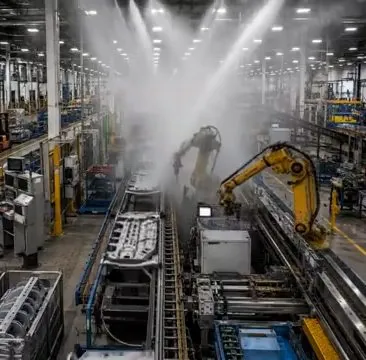
This is extraction, drying, and cleanup — not reconstruction. We don't rebuild drywall, flooring, or cabinetry; a separate contractor handles that once the space is dry, and we'll tell you plainly when that's the next step.
What we handle
- Storm, flood & ice-dam damage: water intrusion from any source, including winter ice-dam backups.
- Hardwood & wood flooring: extraction and drying to limit cupping and warping before it sets in.
- Ceiling & wall damage: drying wall cavities and ceiling assemblies after a leak from above.
- Carpet: extraction and drying to save carpet and pad where possible.
- Sewage backup cleanup: safe extraction and sanitizing after a backup reaches a finished space.
- Commercial water damage: extraction and drying for offices and commercial buildings.
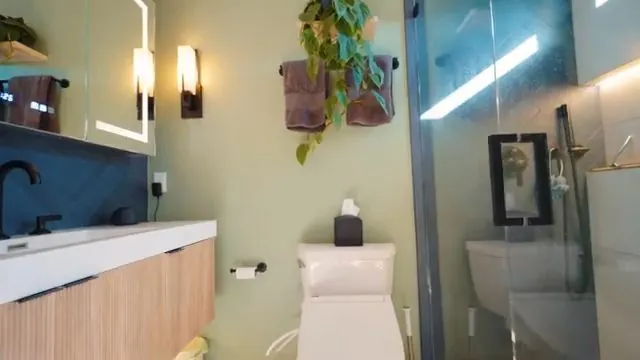
Why speed matters
- Standing water sitting more than 24–48 hours in a closed-up house creates real conditions for mold growth.
- Our equipment is sized to pull moisture out of flooring and framing fast enough to stay ahead of that window.
- A space can look dry on the surface while still holding damaging moisture in wall cavities or under flooring — we check with moisture meters, not by eye.
Standing water right now from a burst pipe or backup?
Call (385) 555-0103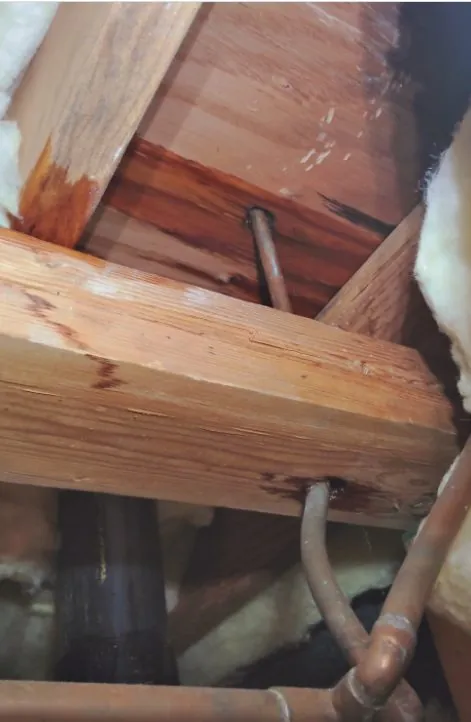
Most calls follow one of two patterns
- Winter burst pipe: a line freezes and splits in an unheated space, thaws while nobody's home, and water reaches flooring or a finished basement ceiling before it's found.
- Spring snowmelt: water tracks in at a foundation sill plate due to grading or drainage, not a plumbing failure at all. We'll tell you if that's what we're looking at, since it's a drainage fix rather than a plumbing one.
If water is still actively coming from somewhere, see Emergency Plumbing, Burst & Broken Pipe Repair, or Water Leak Detection — we can usually send the same crew for the fix and the cleanup together.
How a cleanup visit works
- 1. Immediate extraction: standing water removed first, before anything else.
- 2. Set up drying equipment: industrial dehumidifiers and air movers placed and left running.
- 3. Daily moisture checks: readings documented until the space reaches a safe, dry baseline.
- 4. Handoff: if reconstruction is needed, we give you our findings to brief that contractor.
For your insurance claim
We document moisture readings and the extent of the damage as we go, which gives you a dated record for a claim rather than just our word after the fact.
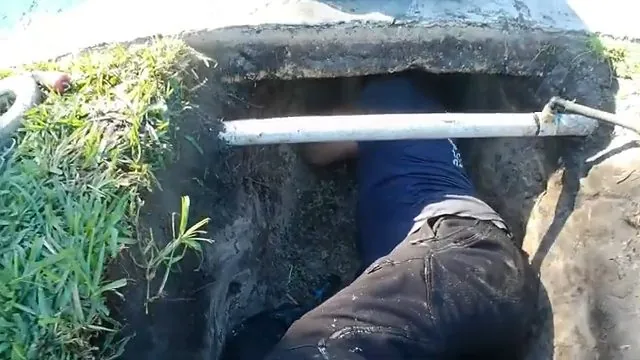
What affects the cost
- How much standing water: a single room is a smaller job than a fully flooded basement.
- How long the water sat before we were called: longer exposure means more drying time and equipment.
- Materials affected: carpet, hardwood, and drywall each dry on a different timeline.
What to do while you wait
- Shut off the water source if it's still running, or confirm with us that it's already stopped.
- Move furniture and valuables out of standing water if it's safe to do so.
- Don't run a shop vacuum or household equipment near standing water and live outlets.
- Take photos before anything is moved, for your own insurance record.
Basements near Sandy's historic core
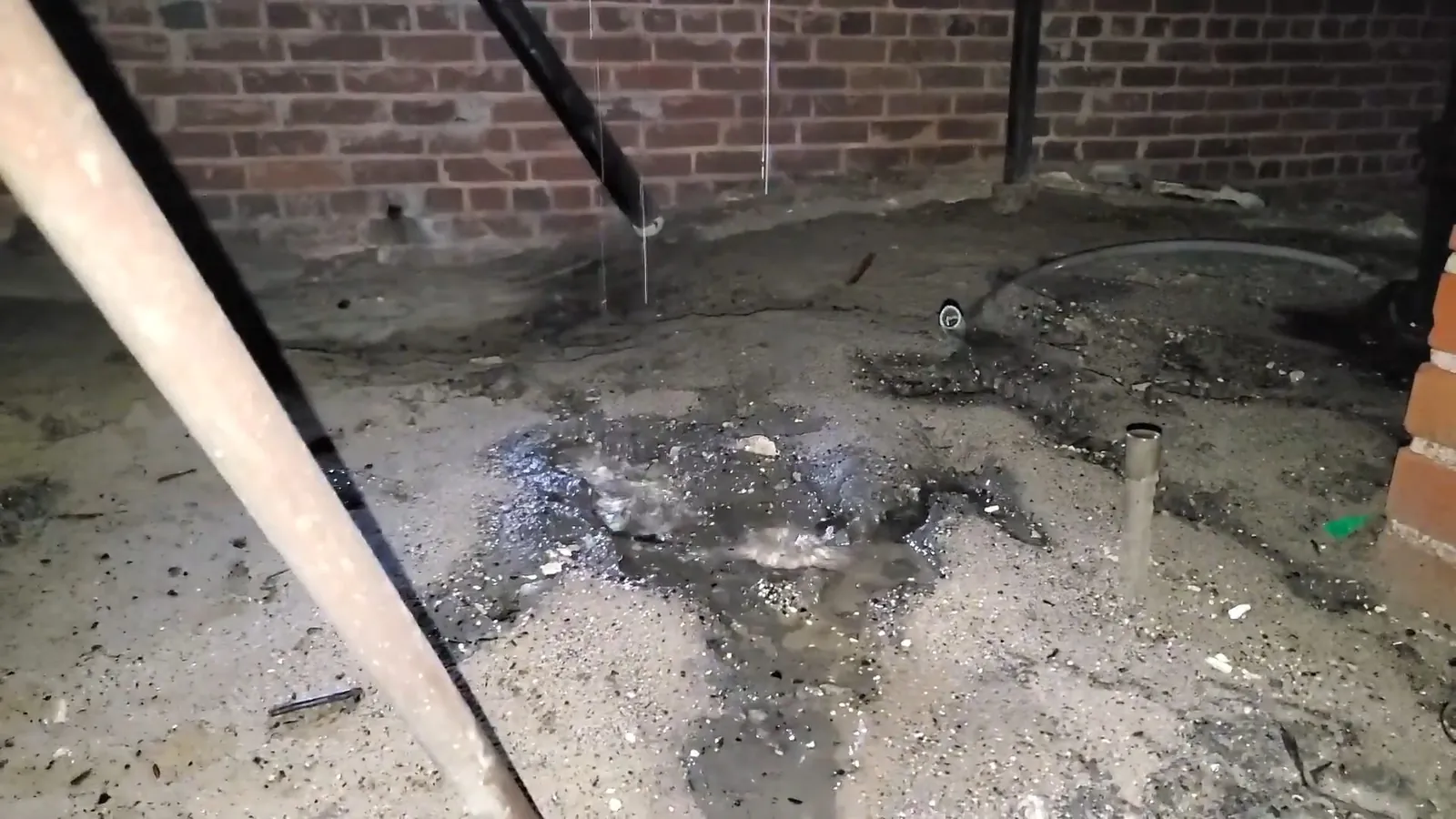
A lot of Sandy's older housing stock near Main and Center Streets has a finished or partly finished basement added well after the original build. That space sits at the lowest point in the house, so it takes the worst of a burst pipe or backup, and getting extraction and drying equipment in fast is the single biggest factor in how much of it stays salvageable.
When mold risk comes up
Fast extraction and drying is the main defense against mold taking hold after a water event. If drying equipment has already been running and a musty smell or visible growth still shows up, that's a separate specialist's job, and we'll tell you plainly rather than attempt mold remediation ourselves.
Drying equipment and how long it runs
Industrial air movers and a dehumidifier typically run for two to four days after extraction, depending on how much the affected materials absorbed and how enclosed the space is. We check moisture readings in the walls and subfloor before pulling equipment, not on a fixed calendar guess, since drying too early is how mold risk shows up weeks later.
What we won't do: structural repairs
We handle extraction and drying, which stops the damage from spreading and sets up a clean slate. We don't do the drywall, flooring, or framing repair that often follows — that's a restoration contractor's job, and we'll say so plainly rather than take on work outside our scope. Most homeowners coordinate that follow-up repair through their insurance claim once our part is documented.
Moisture readings: how we confirm it's actually dry
We don't call a space dry based on how it looks or feels — we use a moisture meter against the affected materials and compare readings to an unaffected reference area in the same room. Drywall, subfloor, and framing all have different acceptable moisture ranges, and pulling equipment before those readings normalize is the most common reason a water-damaged area develops mold weeks after it looked fine to the eye.
Category of water: why it changes the response
Not all water damage is handled the same way. Clean water from a supply line break is treated differently than water from a sewage backup, which carries contamination risk and requires more aggressive removal of affected materials rather than just drying them. We assess the water category on arrival, since it determines both the safety precautions we take and what, if anything, needs to be removed rather than dried in place.
Odor removal after a water event
A lingering musty smell after water damage, even once the area looks dry, usually means moisture is still trapped somewhere a visual check won't catch, often inside a wall cavity or under flooring. We run our moisture meter checks specifically in these hidden spots before treating the odor itself, since masking a smell without addressing trapped moisture just delays the mold conversation rather than preventing it.