 Sandy UT Plumbing Experts
Home / Services / Water Heater Repair
Same-day repair, tank units
Water Heater Repair in Sandy, UT
No hot water, a leaking tank, or a unit making noise it didn't used to make — most of the time it's a repair, not a replacement.
This page covers repair of existing gas and electric tank water heaters. Installing a new unit lives on our installation & replacement page, and tankless units have their own page too.
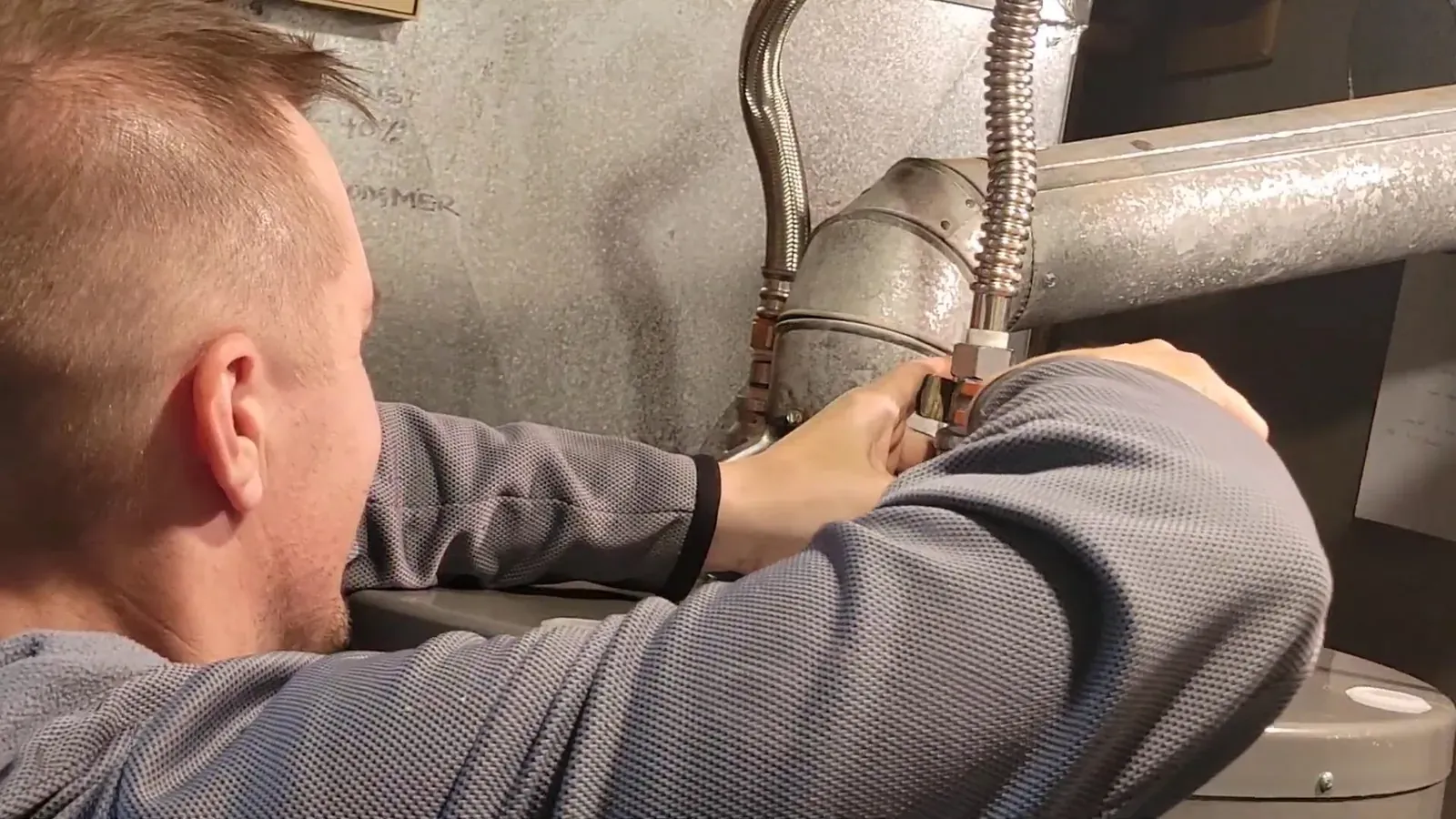
Signs it's a repair, not a replacement
- Rumbling or popping sounds: usually sediment hardening at the bottom of the tank, not a sign of imminent failure.
- Lukewarm water that used to run hot: often a failed heating element or thermostat.
- Pilot or igniter won't stay lit: typically a thermocouple, igniter, or gas control valve issue.
- Hot water smells faintly of sulfur: usually the anode rod reacting with sediment, not a water-supply problem.
When a leak means the tank itself has failed
A puddle at the base of the unit, visible rust in the hot water, or a tank that looks bulged are different from the issues above — these usually mean the tank has failed structurally. At that point a repair isn't the honest answer, and we'll tell you plainly rather than patch something that's going to fail again soon.
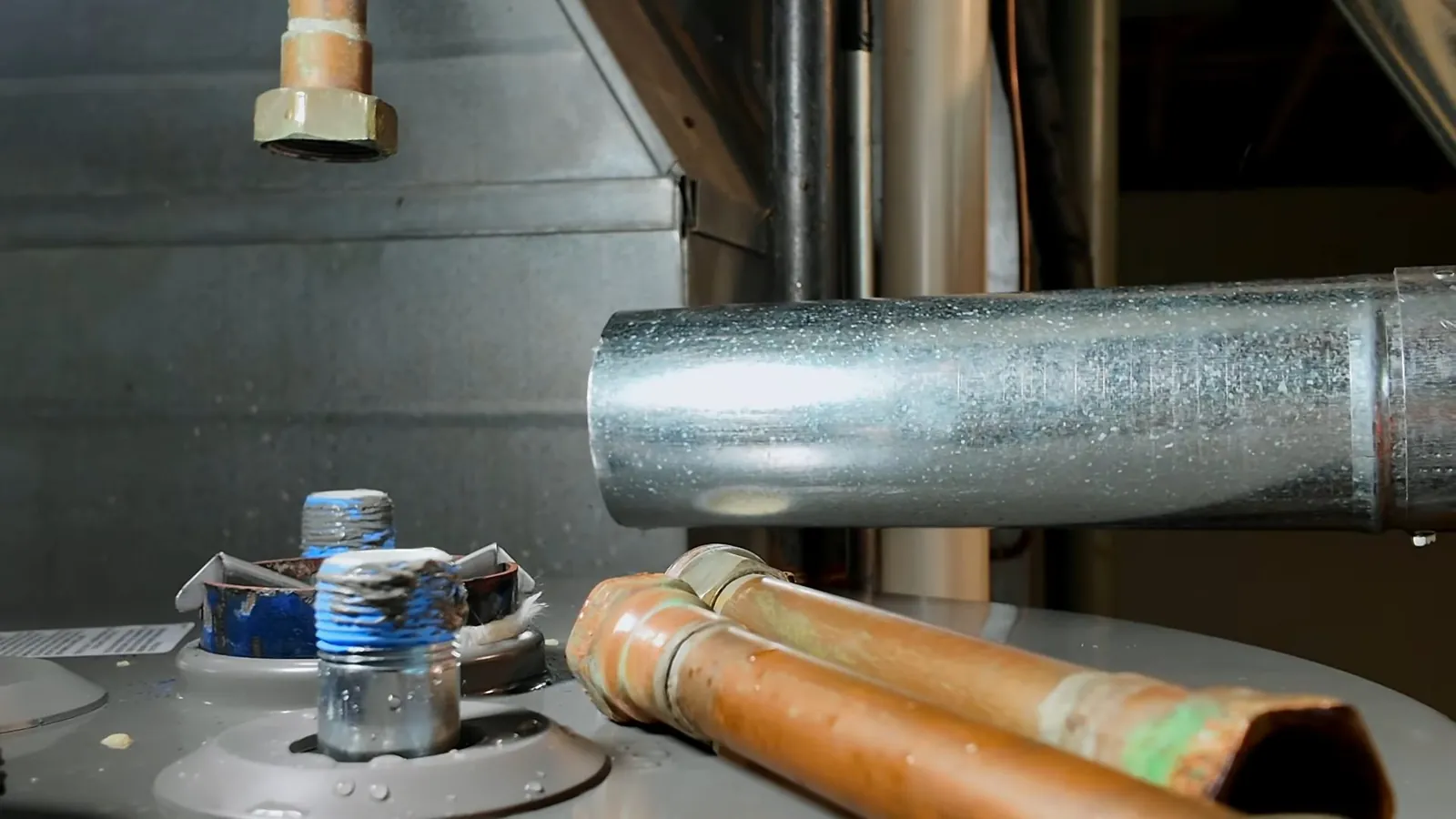
No hot water, or a leak at the base of the tank?
Call (385) 555-0103
Gas repair versus electric repair
- Gas units: thermocouple, igniter, and gas control valve problems are the most common calls. A unit that keeps nuisance-shutting-down may be a venting or combustion-air issue rather than a failed part.
- Electric units: a failed upper or lower heating element is the usual cause of lost hot water. The two elements work semi-independently, so a unit that still makes a little warm water before running out fast is a useful clue before anyone drives out.
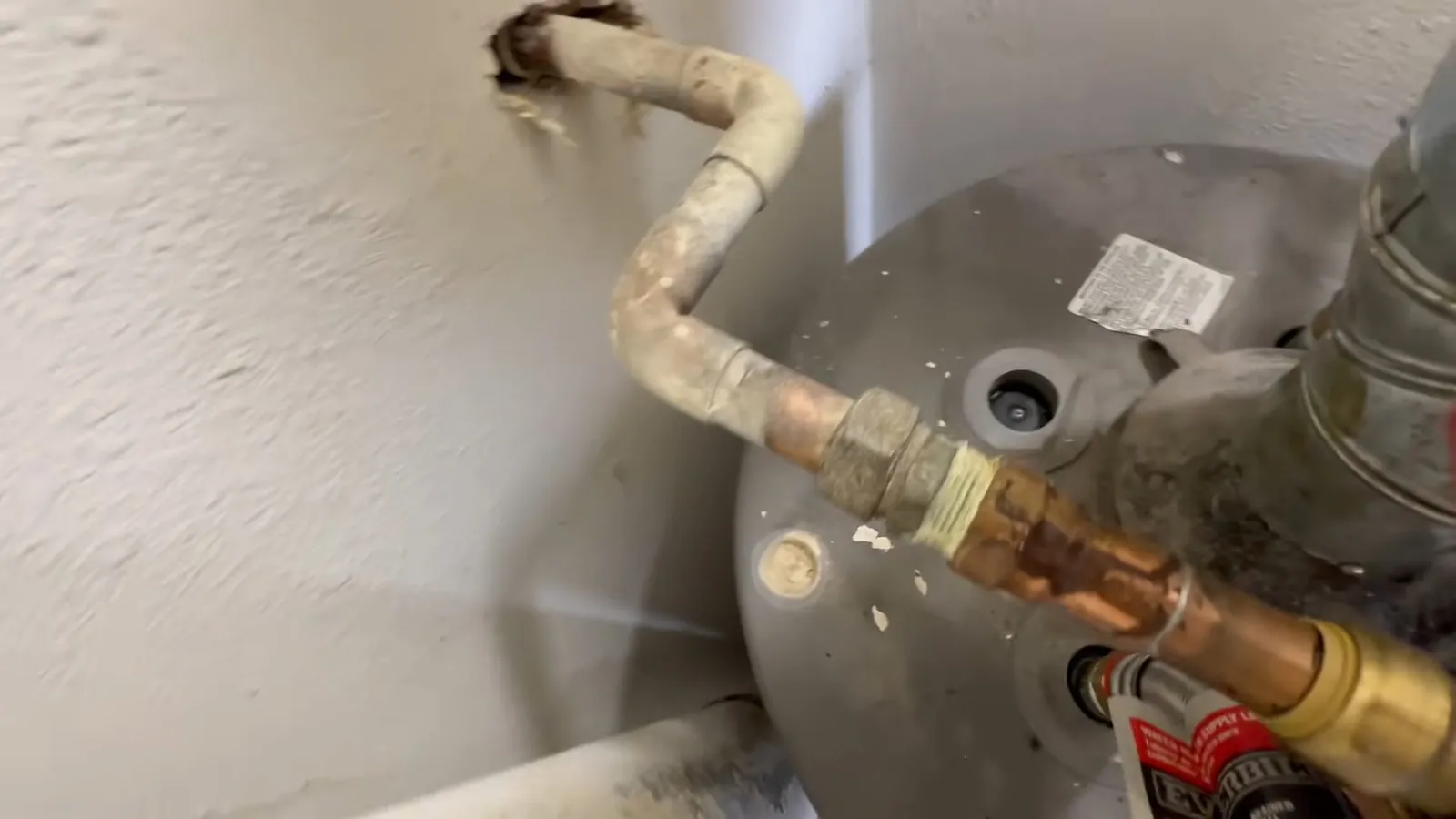
Sandy's water tests at 9.1 grains per gallon — hard, though not the valley's worst case. Minerals drop out of solution wherever water is heated, so sediment at the tank base and anode-rod wear both happen faster here than in a soft-water market.
What a repair visit includes
- Flush and inspect for sediment buildup.
- Test and replace the anode rod if it's spent.
- Diagnose and replace the failed thermostat, element, gas valve, or igniter.
- Check the temperature and pressure relief valve discharges correctly.
How a repair visit works
- 1. Describe the symptom on the phone: noise, no hot water, or a leak — it helps us bring the right parts.
- 2. Diagnose on site: we test the actual component rather than swap parts on a guess.
- 3. Quote before fixing: you approve the repair cost before any part is replaced.
- 4. Confirm the fix: we run the unit through a full heat cycle before we leave.
When repair stops making sense
A unit well past its expected service life (8–12 years for a standard tank), with a structurally failed tank, or needing a second major repair within a year, usually costs more to keep patching than to replace. We'll tell you plainly when you've hit that point rather than keep billing small repairs on a unit that's done.
What affects the repair cost
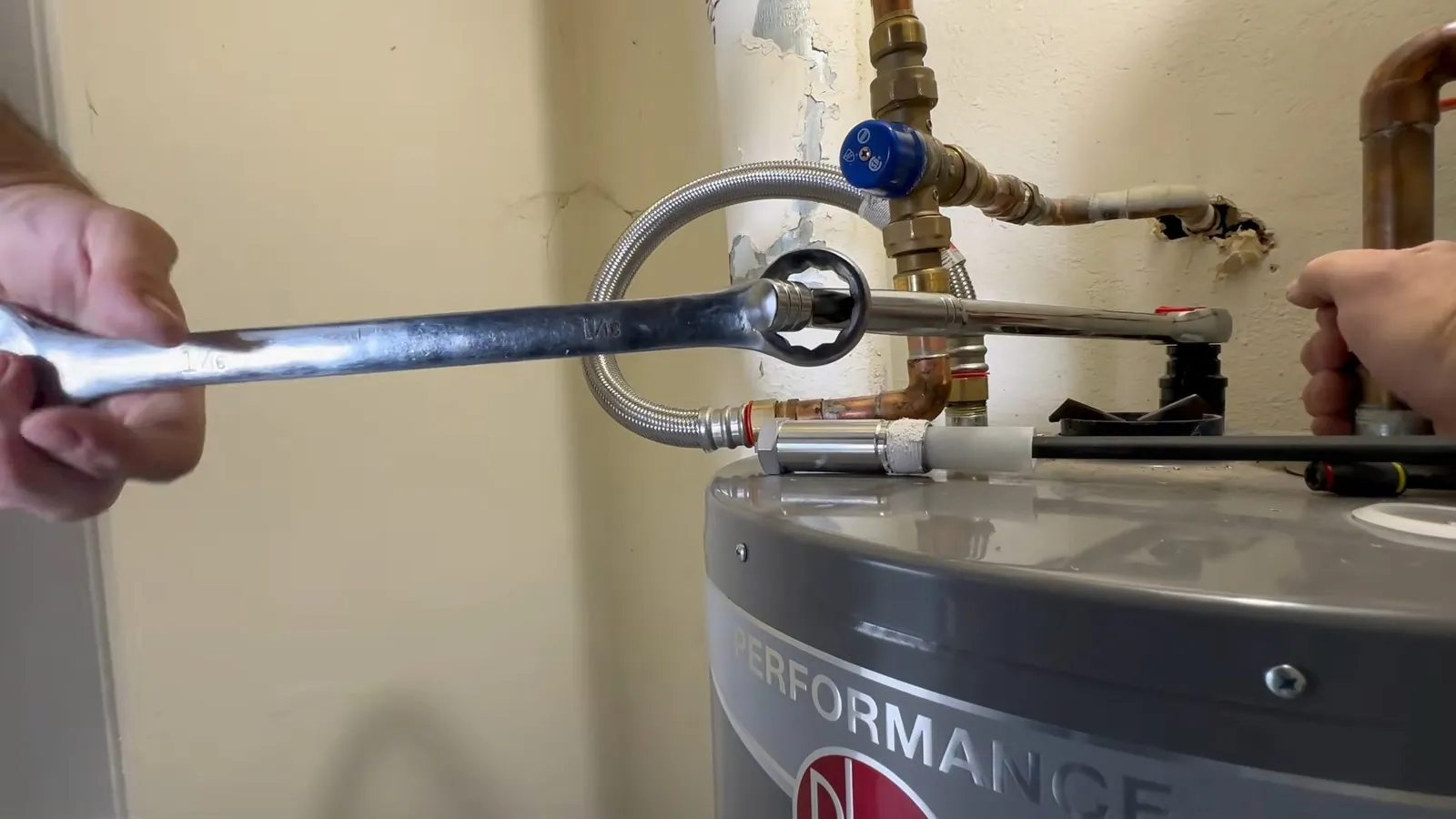
- Which part failed: a thermocouple or igniter is a smaller repair than a heating element or gas control valve.
- Age and access: a unit tucked in a tight closet or attic takes longer to service than one with open access.
- Sediment buildup: a tank that's never been flushed often needs a longer service visit.
See our cost page for wide price ranges on common repairs.
Gas, electric, and combined fixture visits
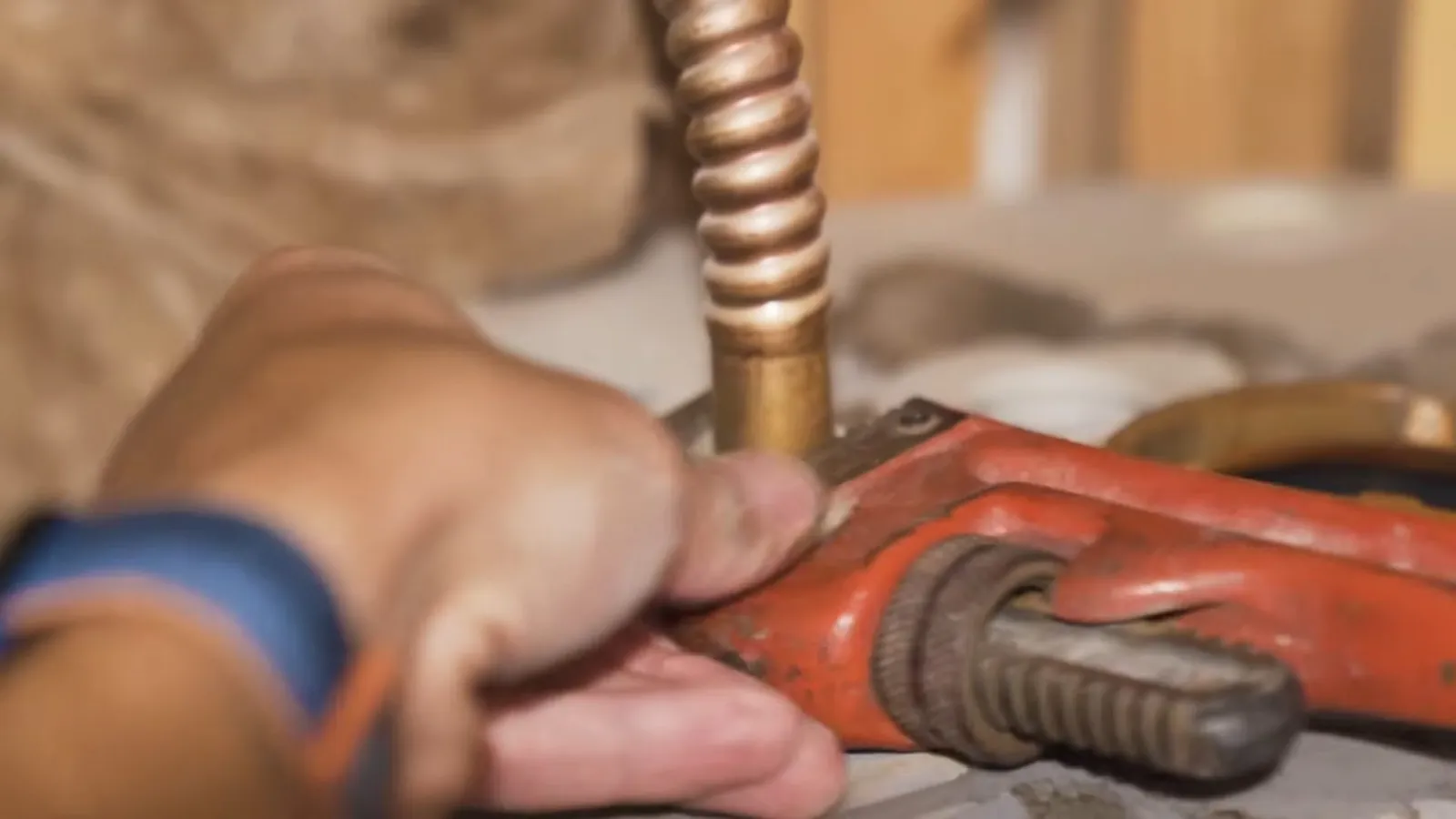
Some calls involve more than the tank itself: a pressure relief valve discharging onto a nearby fixture, or a thermostat issue that's also affecting a connected mixing valve. We'll check adjacent fixtures when a symptom suggests the tank isn't acting alone, rather than fix the tank and leave a related issue for a second visit.
Simple upkeep that extends the tank's life
- Have the tank flushed annually to limit sediment buildup, more often than you would on soft water.
- Have the anode rod checked every 2–3 years rather than waiting for a sulfur smell to show up.
- Keep the area around the unit clear so airflow and access aren't restricted.
Pilot light won't stay lit
On a gas tank unit, a pilot that lights but won't stay lit almost always points to a worn thermocouple, the small sensor that tells the gas valve the pilot is actually burning. It's a straightforward part-level fix in most cases, not a sign the tank itself is failing, and it's usually resolved in the same visit once we confirm that's the cause rather than a draft or venting issue.
Noisy water heaters: what the sound means
A rumbling or popping sound from the tank is sediment buildup on the bottom, which is common with Sandy's hard water and gets worse the longer it sits unflushed. A high-pitched whine usually points to mineral scale restricting flow somewhere in the line rather than the tank itself. Either way, the sound is worth a look before it turns into reduced efficiency or a shortened tank life.
- Rumbling or popping: sediment layer on the tank bottom, often fixed with a flush.
- Whining or whistling: mineral buildup restricting a valve or line.
- Ticking as it heats: usually normal expansion, but worth mentioning on the call if it's new.
Temperature-pressure relief valve issues
A water heater's T&P relief valve is a safety device that releases pressure if the tank overheats or over-pressurizes, and a small drip from its discharge pipe is one of the more common repair calls we get. It's not something to ignore or cap off — a dripping T&P valve is either doing its job correctly in response to a real pressure issue, or the valve itself has failed and needs replacing, and distinguishing between those two is exactly the kind of thing worth a professional look rather than a guess.
Anode rod replacement
The sacrificial anode rod inside a tank water heater corrodes on purpose, protecting the tank's steel lining from rusting through first. In Sandy's hard, mineral-heavy water, that rod wears out faster than it would in softer water, and replacing it every few years is one of the few maintenance steps that meaningfully extends a tank's working life rather than just delaying the inevitable.